On 24 February 2018, an Entrepreneurship Awareness Camp focusing on intellectual property was conducted at K. K. Wagh Polytechnic, Chandori, Nashik. The programme was organised by Udyogwardhini in association with Kanadlab Institute of Intellectual Property and Research, Nashik.
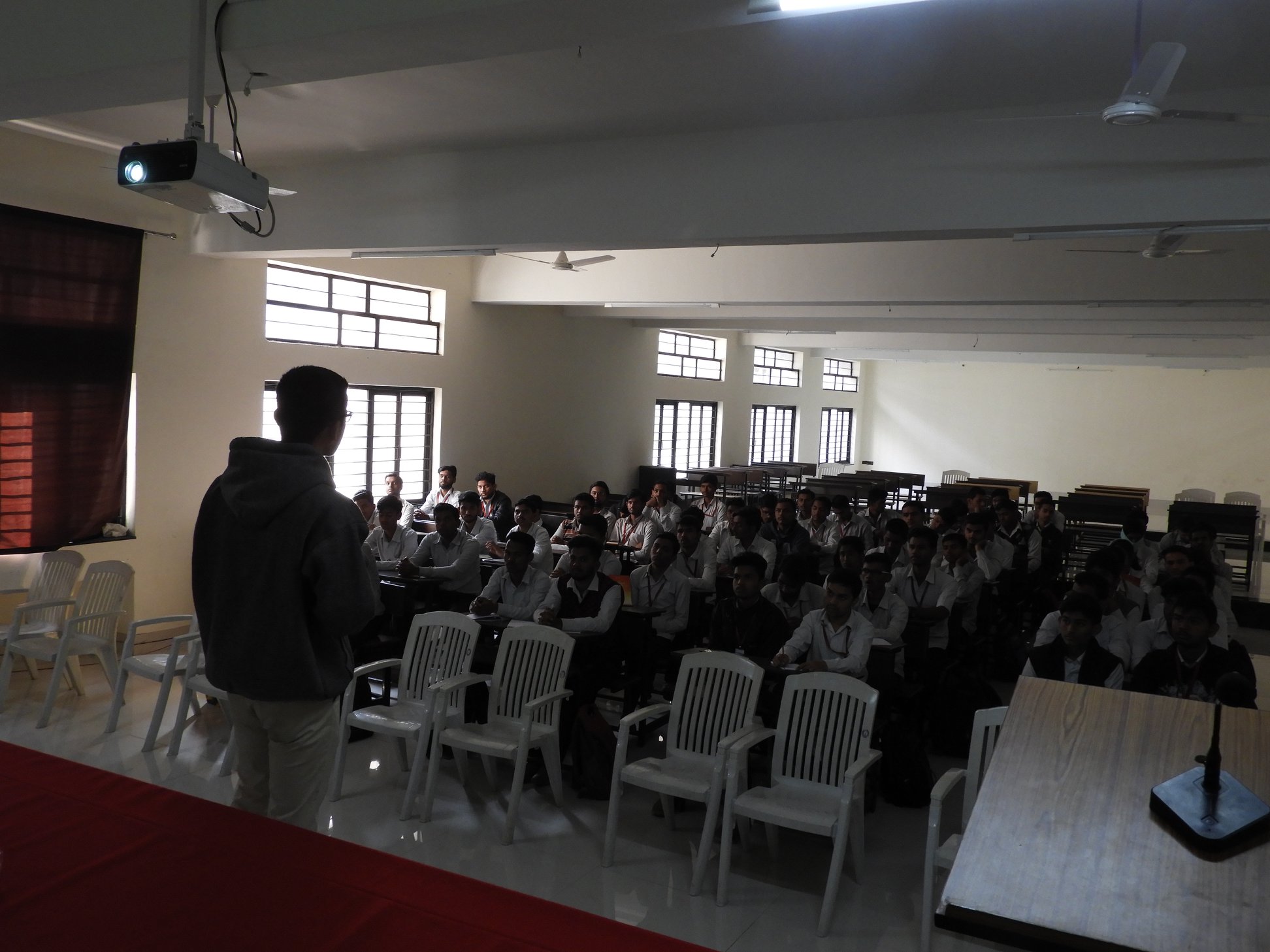
The session was attended by more than 80 students from the mechanical engineering department who participated in an interactive discussion on the theme “Need of IPR Education and Scope of Patent & Industrial Design”. The programme aimed to introduce technical students to the role intellectual property plays in transforming engineering ideas into valuable industrial assets.
The session was delivered by Abhijit Bhand, who engaged with the students on how intellectual property rights have become an essential component of engineering innovation, entrepreneurship, and manufacturing competitiveness.
Why Intellectual Property Matters for Mechanical Engineers
Mechanical engineering students often spend considerable time designing machines, tools, components, and manufacturing systems. Many of these ideas emerge as project models or prototype mechanisms during diploma or engineering programs.
The discussion during the session focused on an important question. What happens when a student designs a new mechanical component that performs better than existing alternatives?
If such a design or mechanism is novel and technically useful, it may qualify for patent protection. If the improvement lies in the visual or structural appearance of the product, it may qualify for industrial design protection.
Understanding these distinctions can help engineers recognise the intellectual value embedded within their technical ideas.
The Role of Patents in Industrial Innovation
Students were introduced to how patents operate as instruments for technological progress. Across the world, industries rely heavily on patents to protect new engineering solutions.
In 2022 alone, more than 3.4 million patent applications were filed globally according to statistics published by the World Intellectual Property Organization. A significant proportion of these applications originated from sectors such as mechanical engineering, electronics, and automotive manufacturing.
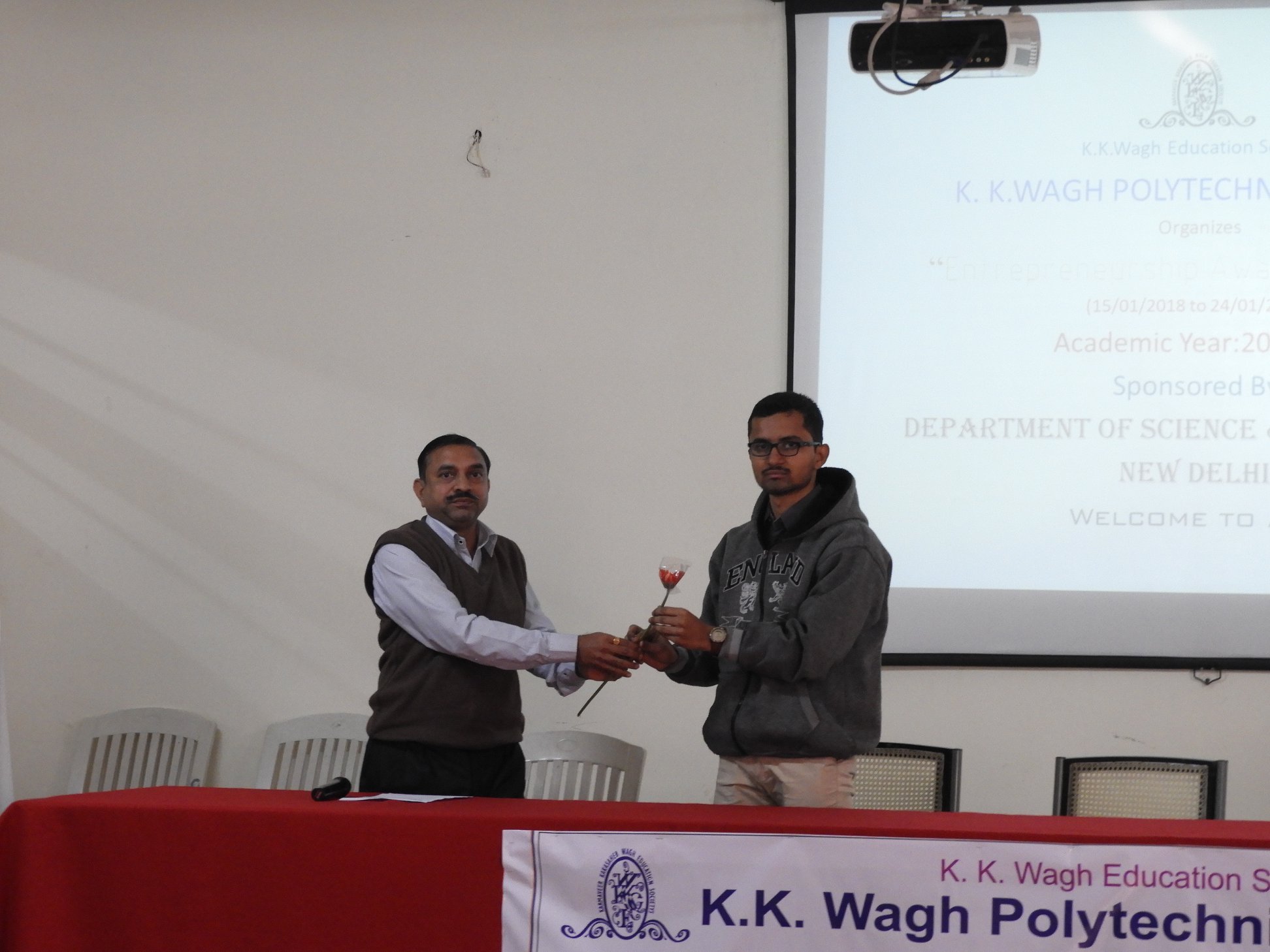
Large industrial companies maintain extensive patent portfolios to safeguard their technological leadership. For example, Toyota has historically been among the top patent filers in the automotive sector, particularly in hybrid vehicle technologies and manufacturing systems. Patents allow such companies to secure exclusive rights over their technological improvements while simultaneously strengthening their global competitiveness.
The session emphasised that while multinational companies hold thousands of patents, the patent system itself is equally accessible to small innovators, startups, and individual engineers.
Industrial Design and Product Differentiation
Another major theme of the programme was industrial design protection. Mechanical engineering often focuses on functionality, but product success in the marketplace frequently depends on visual design as well.
Industrial design protection safeguards the shape, configuration, pattern, or aesthetic features of a product. In industries such as consumer appliances, automobiles, and engineering tools, distinctive design can become a powerful differentiating factor.
The discussion referred to examples from the automotive sector where vehicle design plays a major role in brand identity. Companies such as Ferrari and Lamborghini are widely recognised not only for their engineering performance but also for the distinctive visual identity of their vehicles. These design elements are protected through industrial design registrations and contribute significantly to brand value.
For students developing mechanical prototypes or product models, understanding design protection opens an additional pathway for safeguarding their work.
Engineering Innovation and Entrepreneurship
The Entrepreneurship Awareness Camp also explored how intellectual property connects with entrepreneurship. Many startups emerge from engineering ideas that address specific technical problems.
One example discussed during the session was ReNew Power, which grew by building technological solutions in renewable energy infrastructure. Companies operating in technology-driven sectors frequently rely on intellectual property to protect innovations and attract investment.
Another example involved Dyson, known for its advanced vacuum cleaners and air purification technologies. Dyson has built a global business by investing heavily in engineering innovation and securing patents for hundreds of product improvements.
These examples illustrated how patents and design protection can transform technical ideas into long-term commercial advantages.
Encouraging an Innovation Mindset Among Students
The interaction with the students at K.K. Wagh Polytechnic highlighted a strong curiosity about innovation and entrepreneurship. Many of the participants were working on small mechanical projects and were eager to understand how their work could evolve beyond academic evaluation.
Students were encouraged to develop an innovation mindset by observing everyday engineering challenges and thinking about ways to improve existing systems. Even a small improvement in a mechanical process or component can sometimes represent a patentable invention.
The session also emphasised that intellectual property education should ideally begin during technical education itself. When students learn about patents and industrial designs early in their careers, they are more likely to approach engineering problems with creativity and strategic thinking.
Building an Innovation Ecosystem in Nashik
Industrial clusters around Nashik have seen significant growth in manufacturing, engineering services, and technology-based businesses. Educational institutions such as K.K. Wagh Polytechnic play an important role in preparing the next generation of engineers who will contribute to this ecosystem.
Awareness programmes on intellectual property help bridge the gap between academic learning and industrial innovation. When students understand how to protect their ideas and develop them into business opportunities, they become better equipped to participate in the emerging startup and manufacturing ecosystem of the region.
The Entrepreneurship Awareness Camp conducted on 24 February 2018 created an engaging platform where mechanical engineering students could explore the intersection of technology, innovation, and intellectual property. By introducing concepts such as patents and industrial designs within the context of engineering practice, the programme encouraged students to think about their technical ideas not only as academic exercises but as potential innovations capable of generating real economic value.