
Patent
What is a Patent and Why Is It Important?
Not sure what a patent is or why it is important? Learn how a patent protects your idea, gives control, and boosts value, so your invention isn’t left unprotected.
Not sure what a patent is or why it is important? Learn how a patent protects your idea, gives control, and boosts value, so your invention isn’t left unprotected.

Abhijit Bhand continues to contribute towards strengthening intellectual property awareness across educational institutions, startup ecosystems, and...
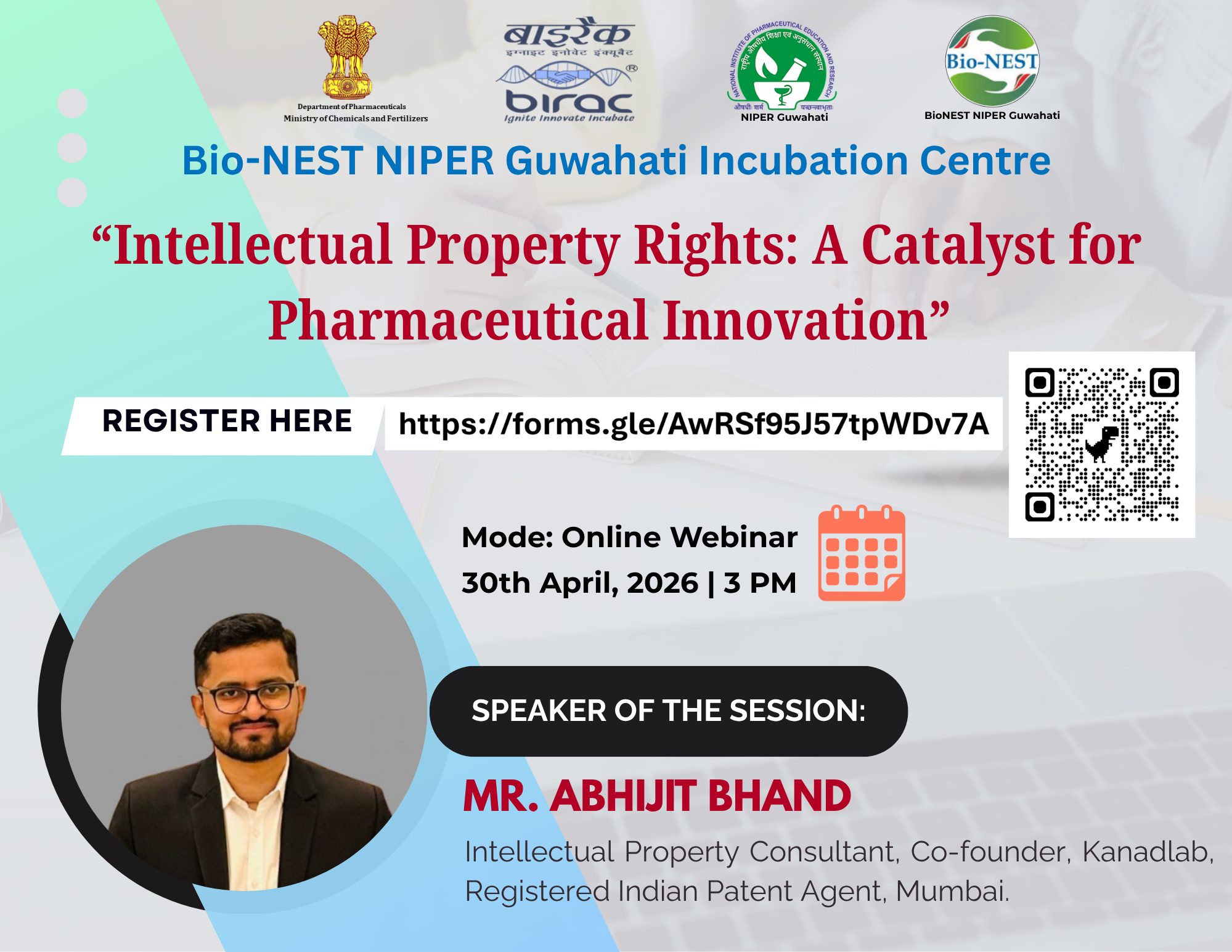
Abhijit Bhand continues to contribute towards strengthening intellectual property awareness and fostering a culture of innovation-led growth.
India grants every patent a strict 20-year term from the filing date, and then it is over. Maximum extension Statutory basis India 20 years from...
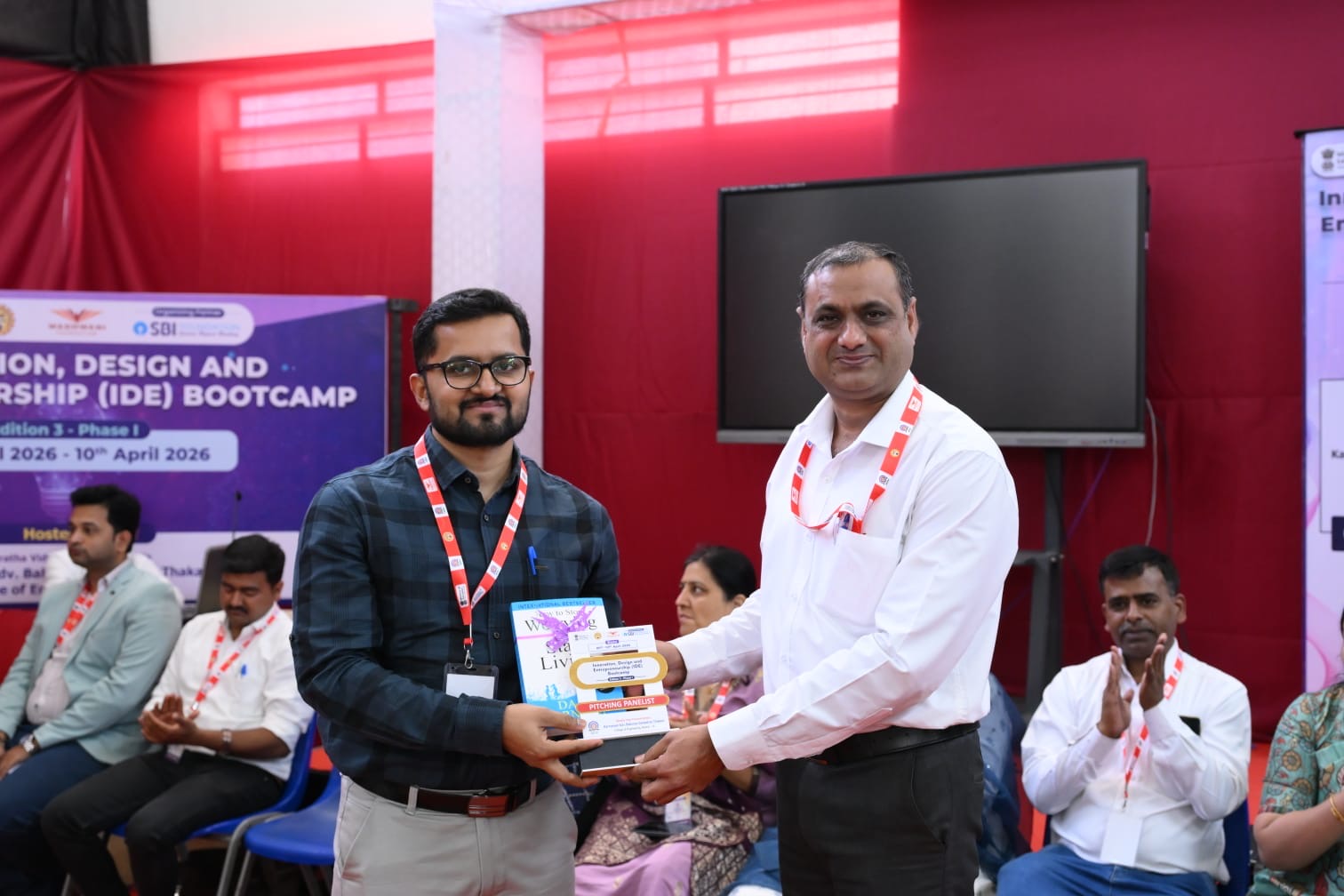
This remarkable growth has been driven by increasing institutional support, academic innovation, incubation centres, and entrepreneurship-focused...
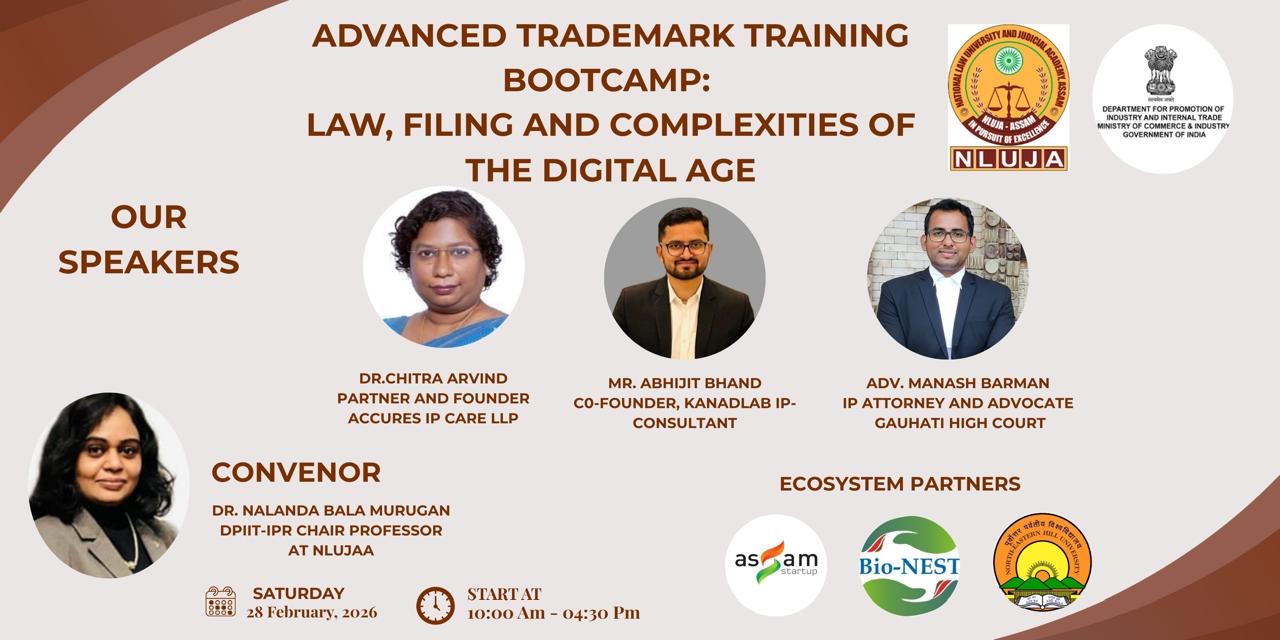
These practical strategies illustrated how trademark law operates not only as a legal safeguard but also as a strategic component of business...
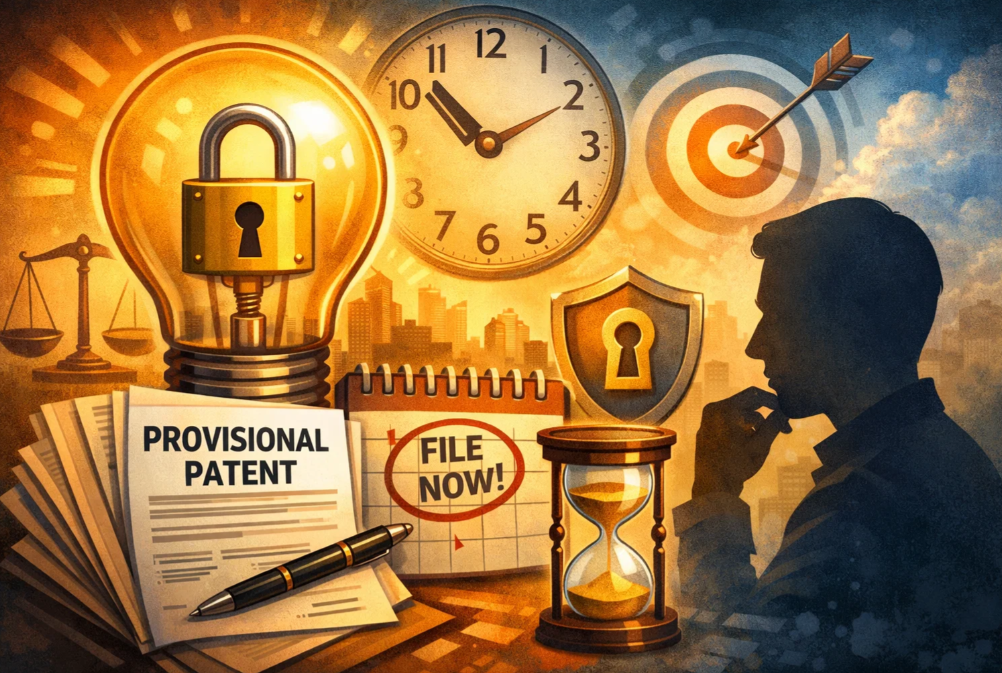
Whether you’re a first‑time inventor, a startup founder, or a seasoned R&D lead, understanding when to file your provisional patent applicatio...
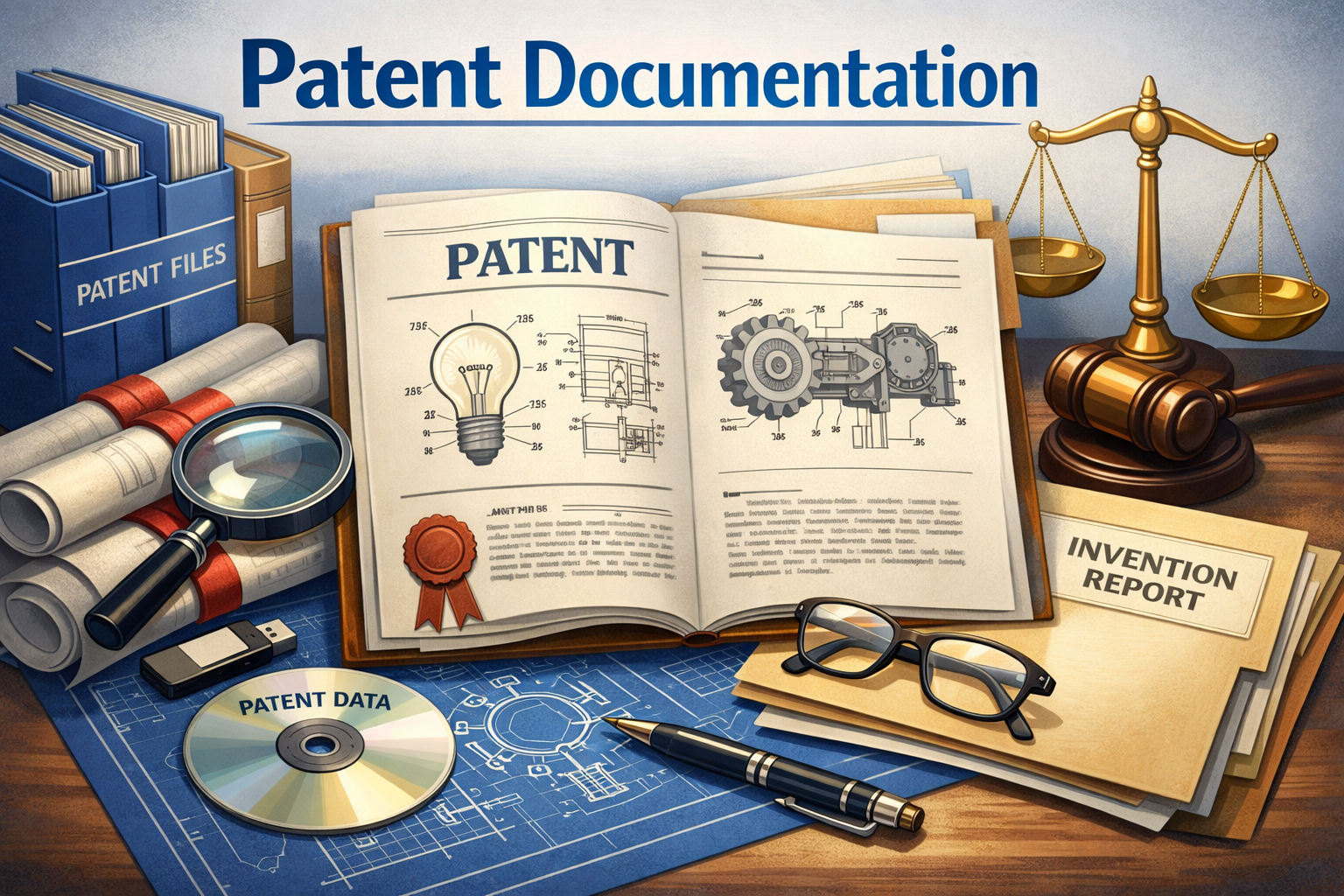
Getting a patent is not merely about having a brilliant invention. It is about presenting that invention to the Patent Office in a legally compliant, ...
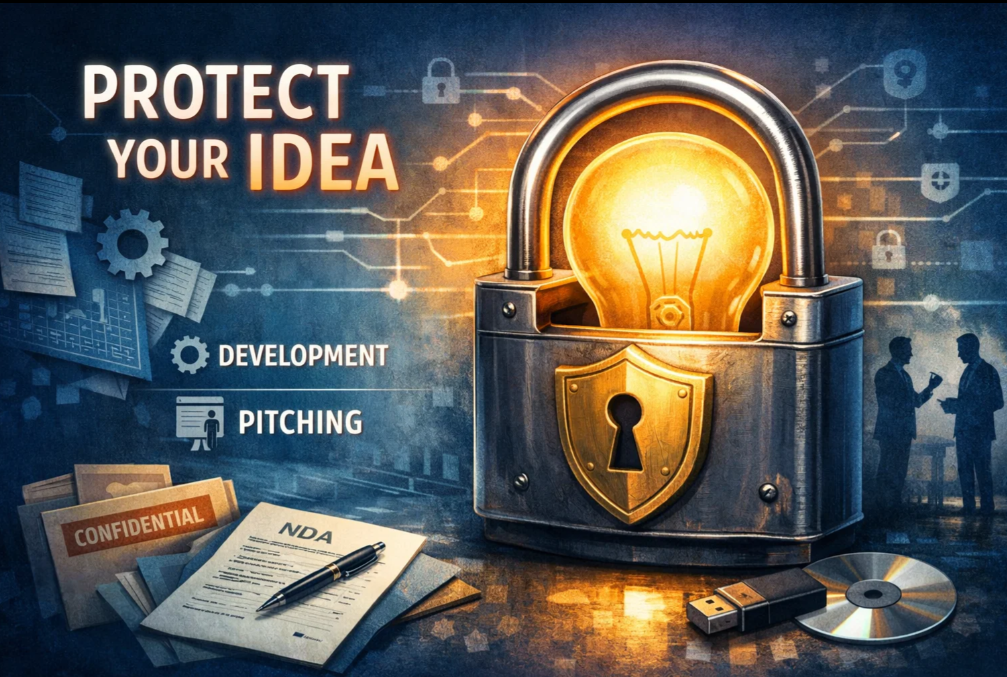
How to Protect Your Idea During Development and Pitching: A Comprehensive Guide

Bhand shared practical examples illustrating how intellectual property has become an essential business tool in today's knowledge-driven economy.
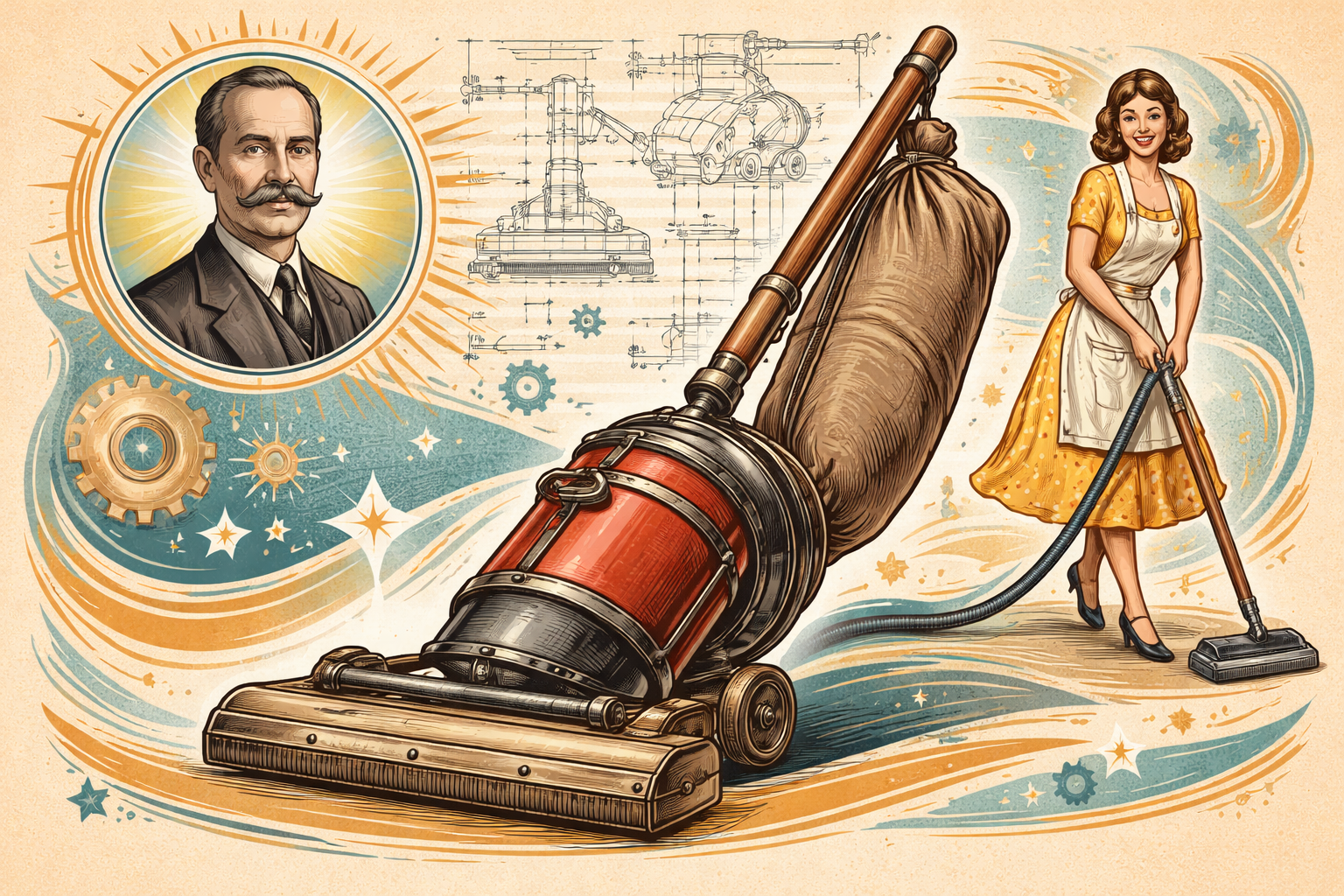
Discover how James Spangler’s patented vacuum cleaner transformed a simple idea into a global industry and what his story reveals about the true power of intellectual property.

Section 3(c) of the Patents Act prevents patenting the mere discovery of a scientific principle, abstract theory, or any substance occurring in nature. The law seeks to keep basic...

What exactly does Section 3(b) say?Section 3 of the Indian Patents Act, 1970 is the big “negative list”: things that are simply not “inventions?...

Section 3(a) is the first, fundamental filter in Indian patent law, excluding inventions that are frivolous or contrary to well-established natural laws.

Uncover the story behind Nikolaus Otto’s engine patent and the timeless patent-strategy insights it provides for today’s creators.
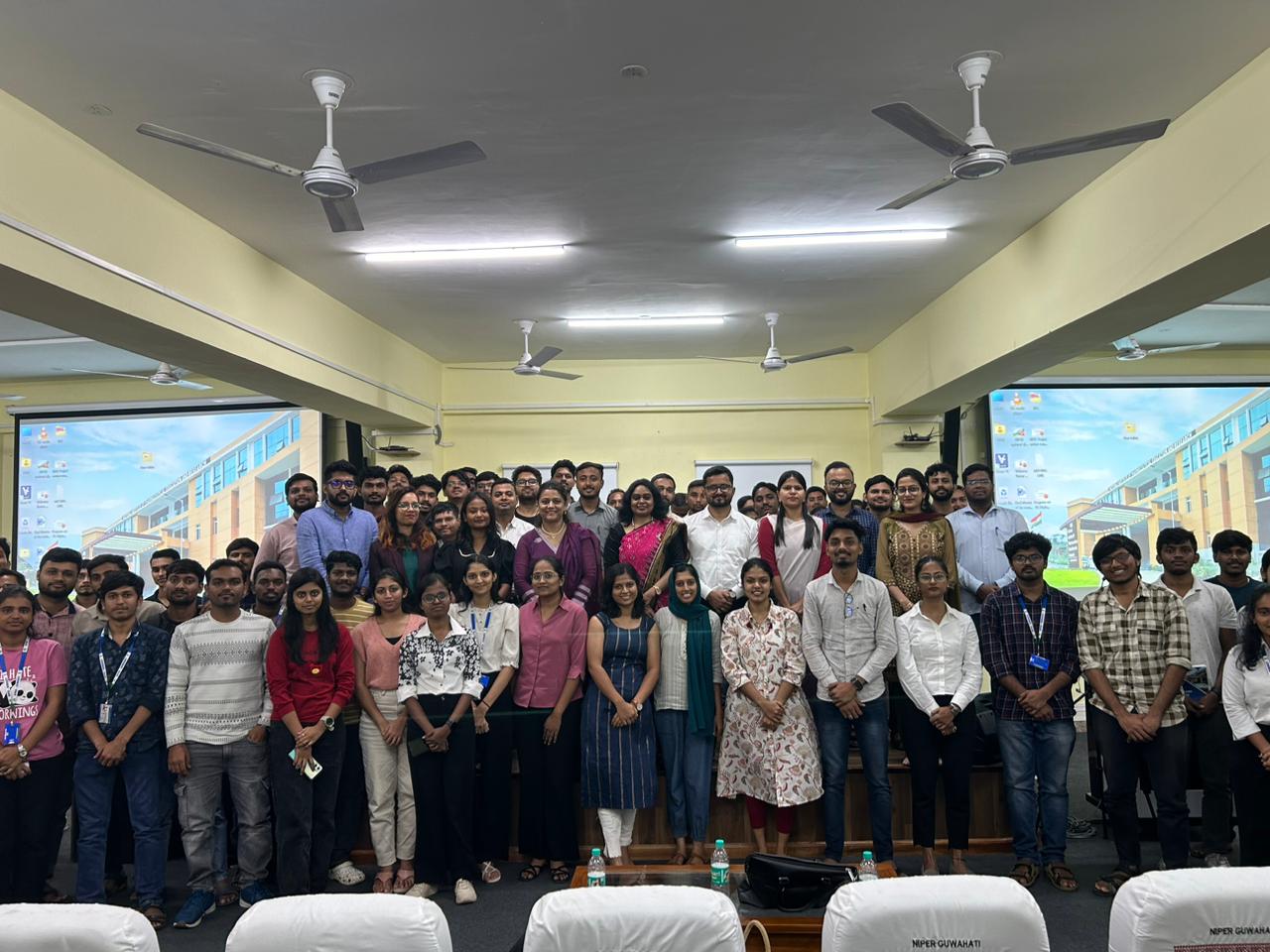
Shraddha Damle, each addressing different dimensions of intellectual property within the pharmaceutical innovation ecosystem.

Innovation rarely begins inside a laboratory—it often begins with curiosity. Bhand encouraged students to look beyond textbooks and begin observing...
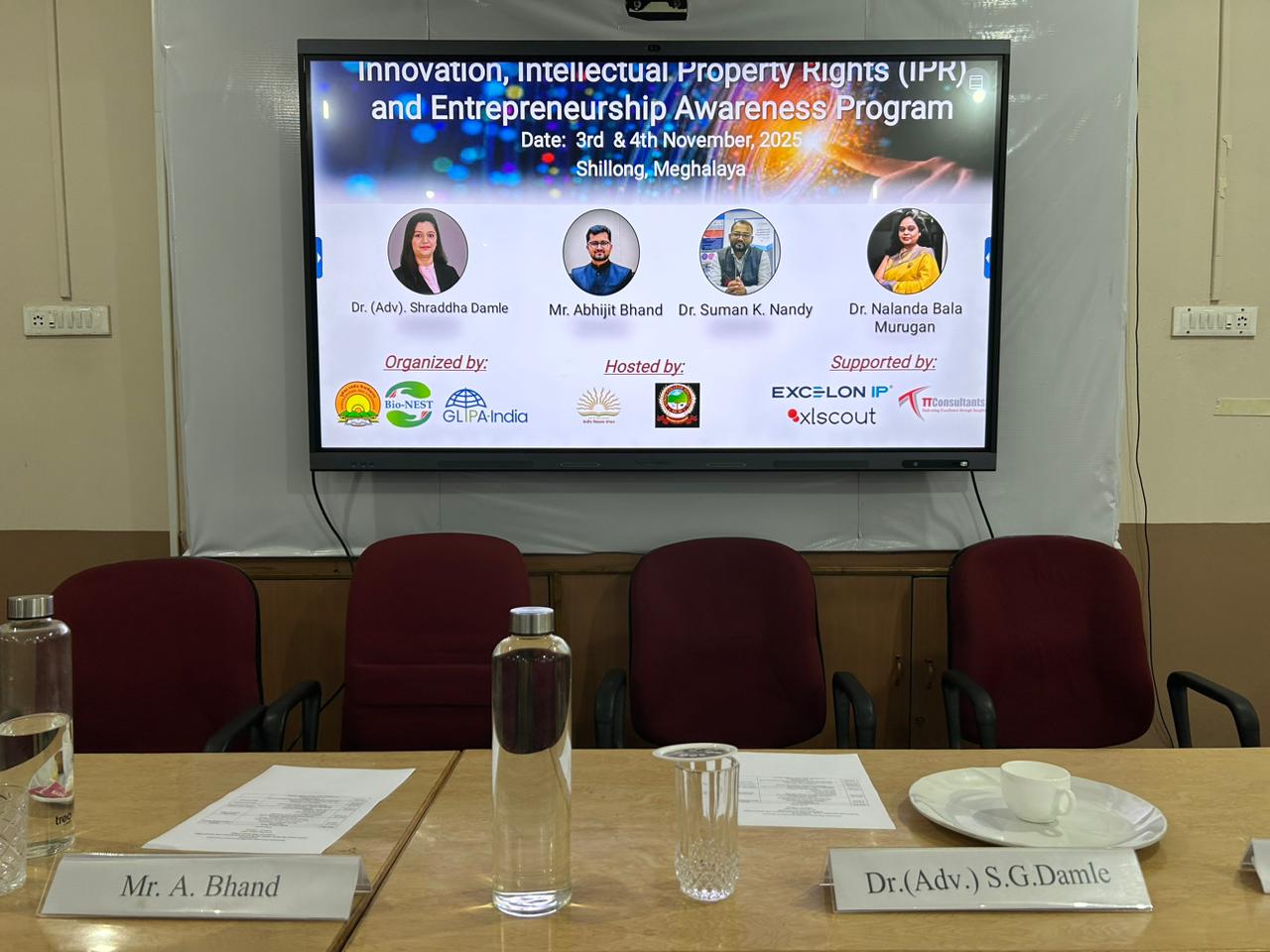
(Adv.) Shraddha Damle, at Synod College, Shillong. Bhand illustrated how intellectual property has become the backbone of modern business success.

Can innovation be taught before students learn science in depth? Using the student-developed concepts as examples, Mr.
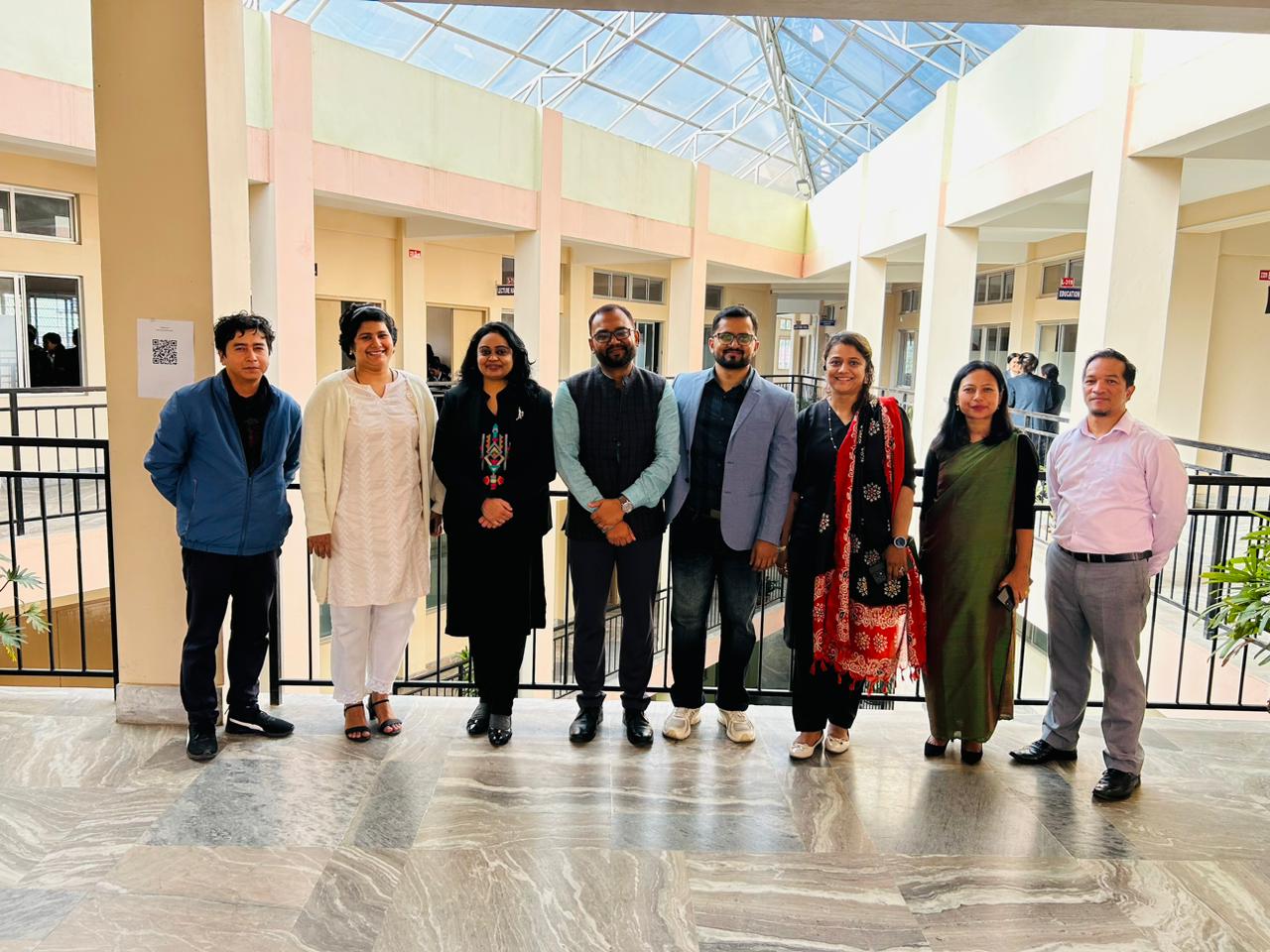
Increasingly, economists point to one answer - Intellectual Property. Anthony's College, Shillong, under the GLIPA India Innovation & Intellectual...

The Wright Brothers didn’t rely on luck or chance; they built systems, measured results, refined relentlessly.