Can innovation be taught before students learn science in depth? More importantly, can school students begin thinking like inventors long before they become engineers or entrepreneurs?
These questions formed the foundation of an interactive Innovation & Intellectual Property Workshop conducted by Mr. Abhijit Bhand & Mrs. Shraddha Damle, at Meghalaya Police Public School (MPPS), Shillong, as part of the GLIPA-India Innovation & Intellectual Property Awareness Outreach Programme across Northeast India.
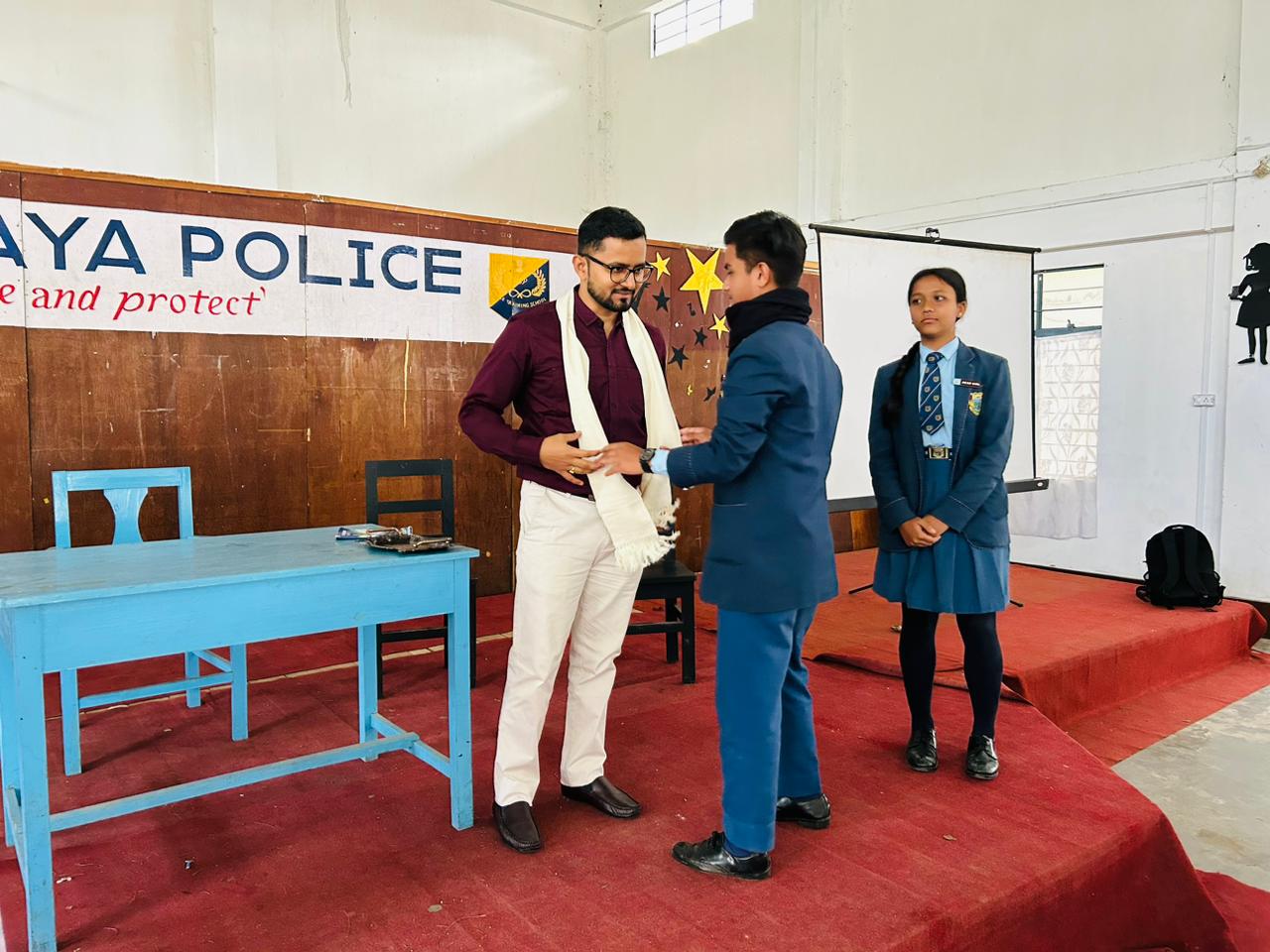
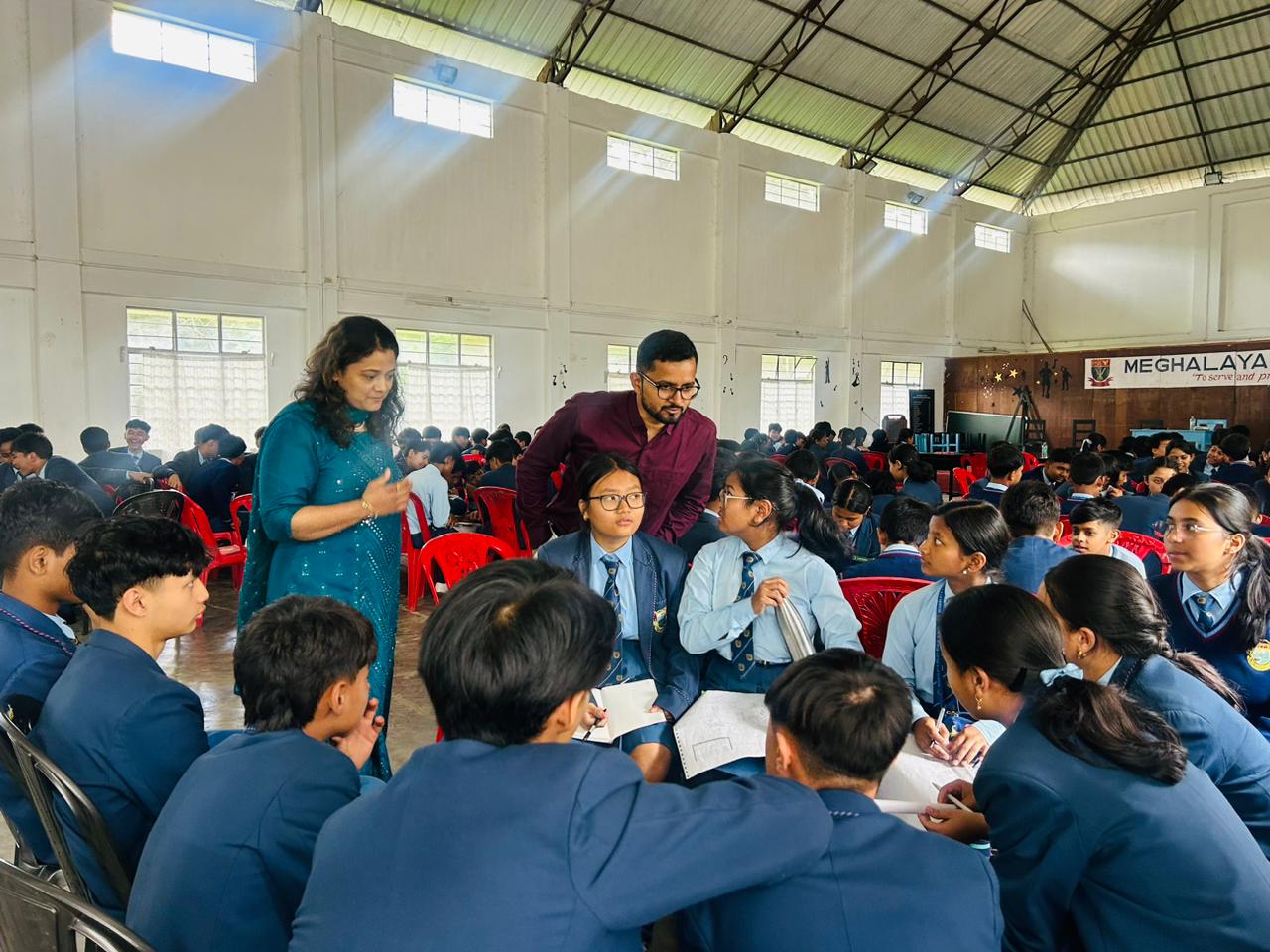
Unlike conventional awareness sessions that begin with legal concepts, the workshop adopted a design-thinking approach, encouraging students to first identify real-life problems before discussing intellectual property rights. Working in teams, participants observed everyday challenges faced by students, families, and communities and were asked to develop practical technology-based solutions capable of improving daily life.
The exercise produced a remarkable range of ideas. One team conceptualized a smart water bottle capable of reminding users to stay hydrated while monitoring water consumption. Another designed an intelligent school backpack equipped with features to improve student safety, organization, and convenience. Several other groups proposed innovative concepts addressing health, education, environmental sustainability, and everyday public challenges. Each team subsequently presented its solution before fellow participants, explaining both the technical concept and its potential social impact.
Only after students had experienced the process of innovation did the discussion shift towards intellectual property rights. Using the student-developed concepts as examples, Mr. Bhand demonstrated how inventions evolve from ideas into valuable intellectual assets and explained the role of patents, trademarks, copyrights, industrial designs, and trade secrets in protecting innovation. Participants explored how globally successful companies—including technology firms, consumer brands, and pharmaceutical innovators—build competitive advantage not merely through creativity but through strategic management of intellectual property.
The workshop also introduced students to an important reality of the modern economy: over 90% of the market value of many of the world's leading technology companies is now derived from intangible assets, including intellectual property, software, brands, data, and innovation. In an era where ideas increasingly drive economic growth, developing the ability to innovate—and understanding how to protect innovation—has become as important as mastering traditional technical skills.
Throughout the programme, students were encouraged to view themselves not merely as learners but as future inventors, designers, entrepreneurs, and problem-solvers. Rather than memorizing definitions of intellectual property, they experienced the complete innovation cycle—from identifying a problem and developing a solution to understanding how intellectual property enables innovators to transform ideas into commercially valuable products and businesses.
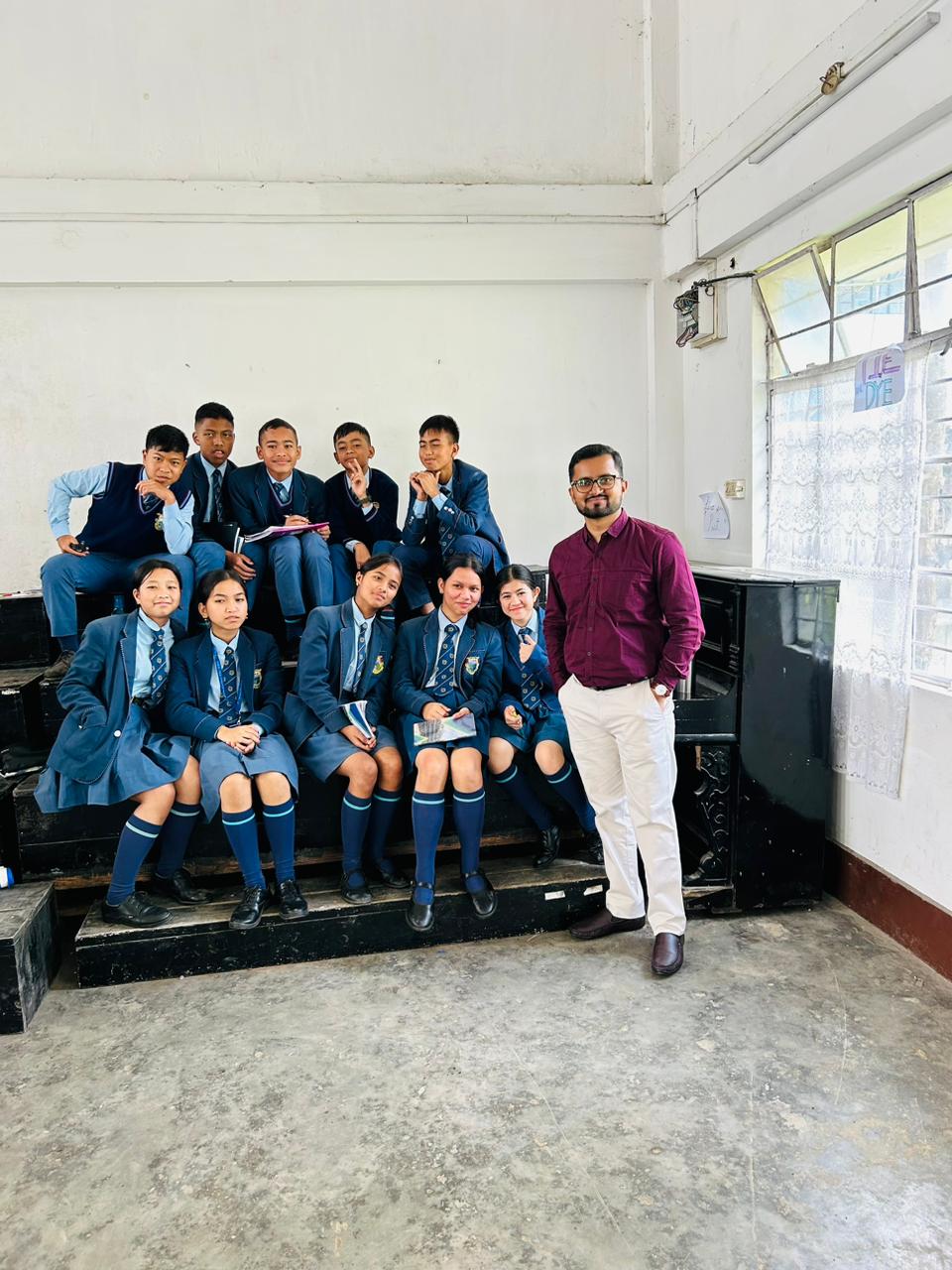
The workshop formed part of GLIPA-India Innovation & Intellectual Property Awareness Outreach conducted across educational institutions in Meghalaya and Assam. The initiative sought to cultivate innovation and IP awareness among young learners while encouraging creativity, critical thinking, and entrepreneurial problem-solving from an early stage. The outreach programme was supported by the B3I BioNEST Facility at North-Eastern Hill University (NEHU), Shillong, with valuable collaboration from EXCELON IP and TT Consultants, whose continued commitment to strengthening India's innovation ecosystem made the initiative possible.
The workshop was successfully coordinated under the leadership of Dr. Nalanda Bala Murugan, with the valuable support of Dr. Suman Nandy, whose efforts in planning and execution ensured the smooth conduct of the outreach programme across participating institutions.
By introducing school students to innovation through experiential learning rather than theoretical instruction, the workshop demonstrated that intellectual property education is most effective when learners first experience the excitement of creating something original. Such early exposure plants the seeds of curiosity, creativity, and entrepreneurship—qualities that will shape the next generation of innovators contributing to India's rapidly evolving knowledge economy.