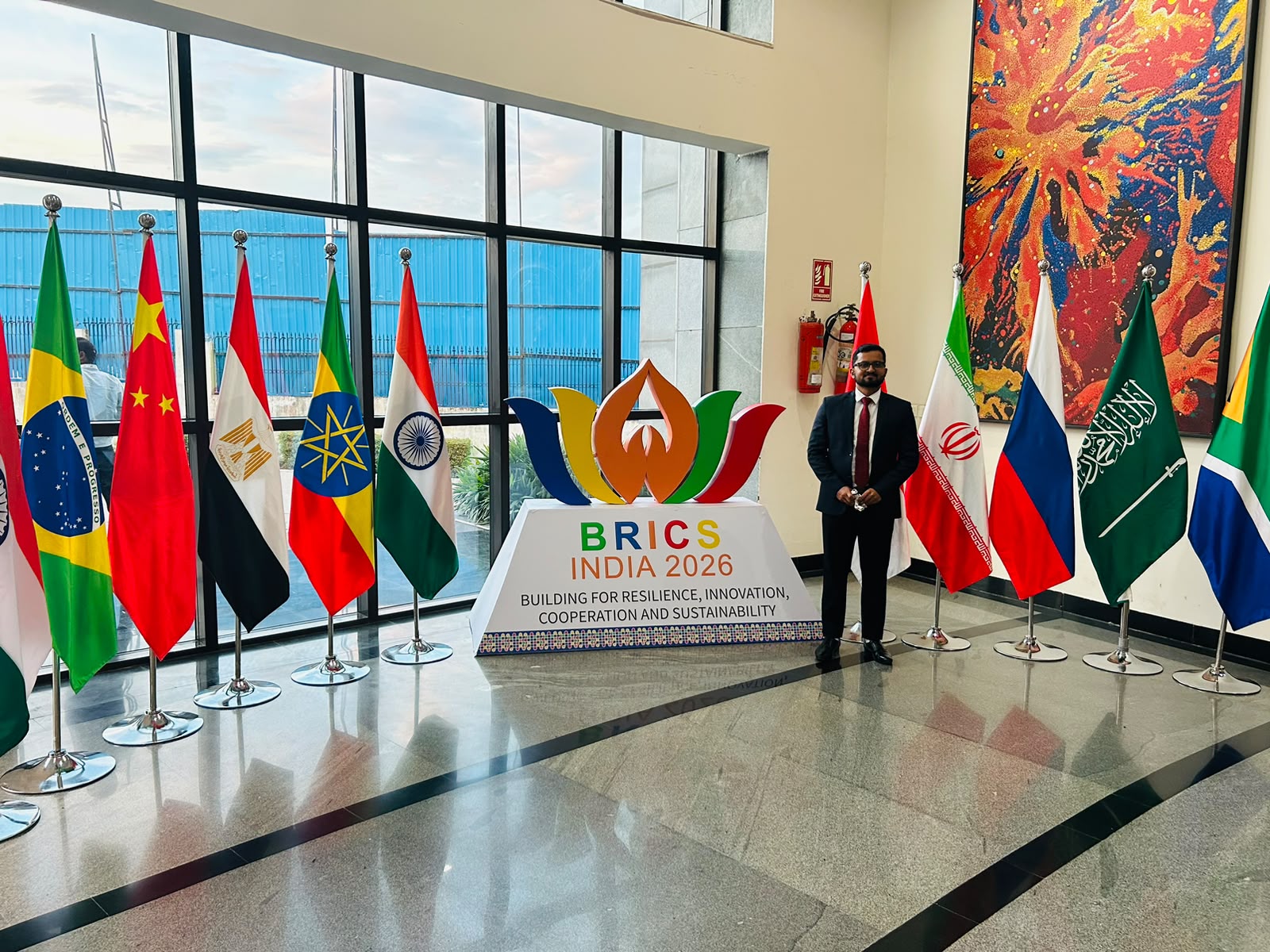
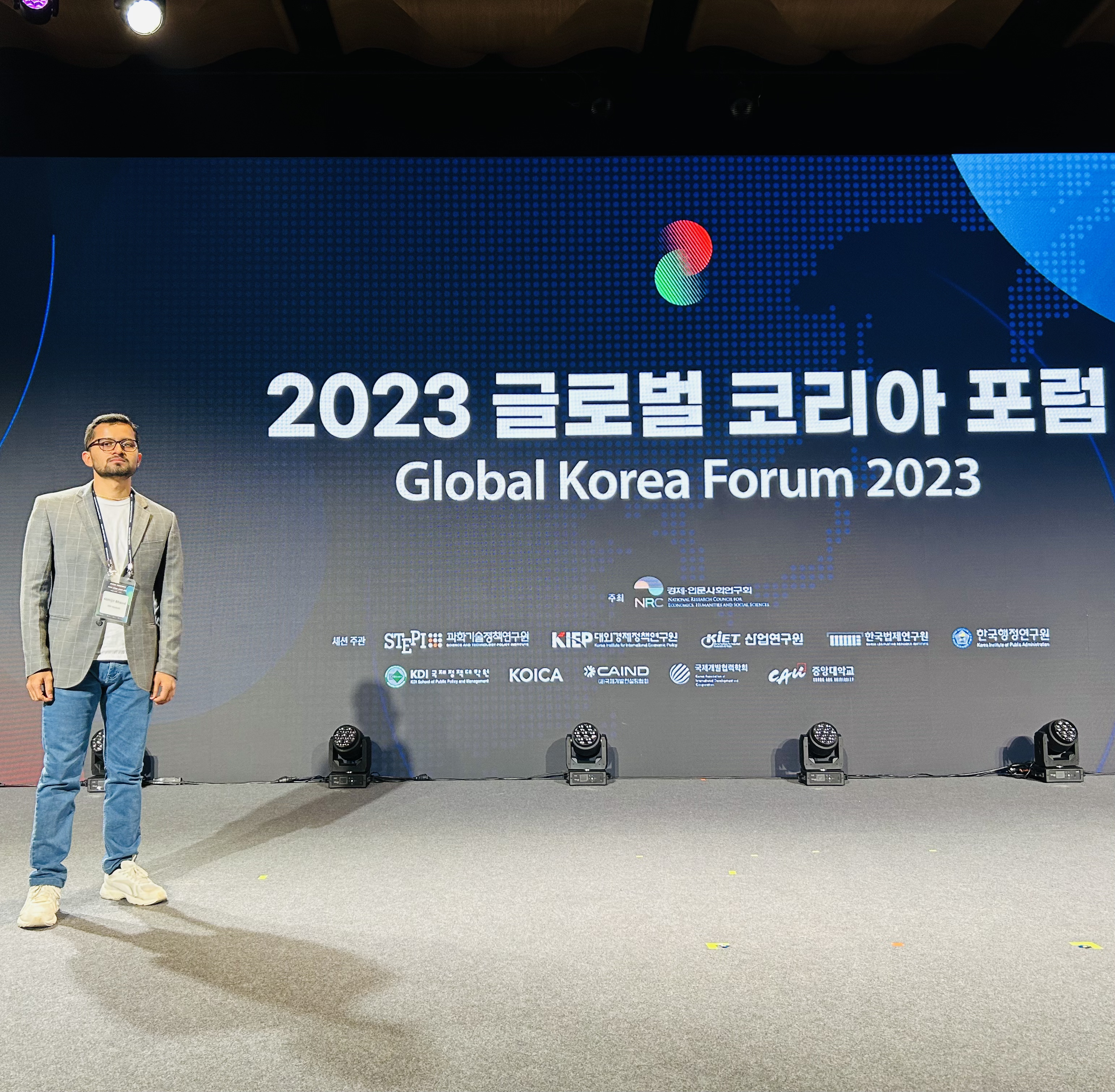
The practice of intellectual property extends far beyond drafting patents or prosecuting trademarks, it is increasingly shaping business strategy, technology policy, investment decisions, and global competitiveness. These themes came to life at the 17th Global Intellectual Property Convention (GIPC) 2025, held on 11–12 January 2025 at The Leela, Mumbai, where Mr. Abhijit Bhand, participated alongside leading intellectual property professionals, in-house counsel, policymakers, innovators, corporate leaders, and legal experts from India and abroad.
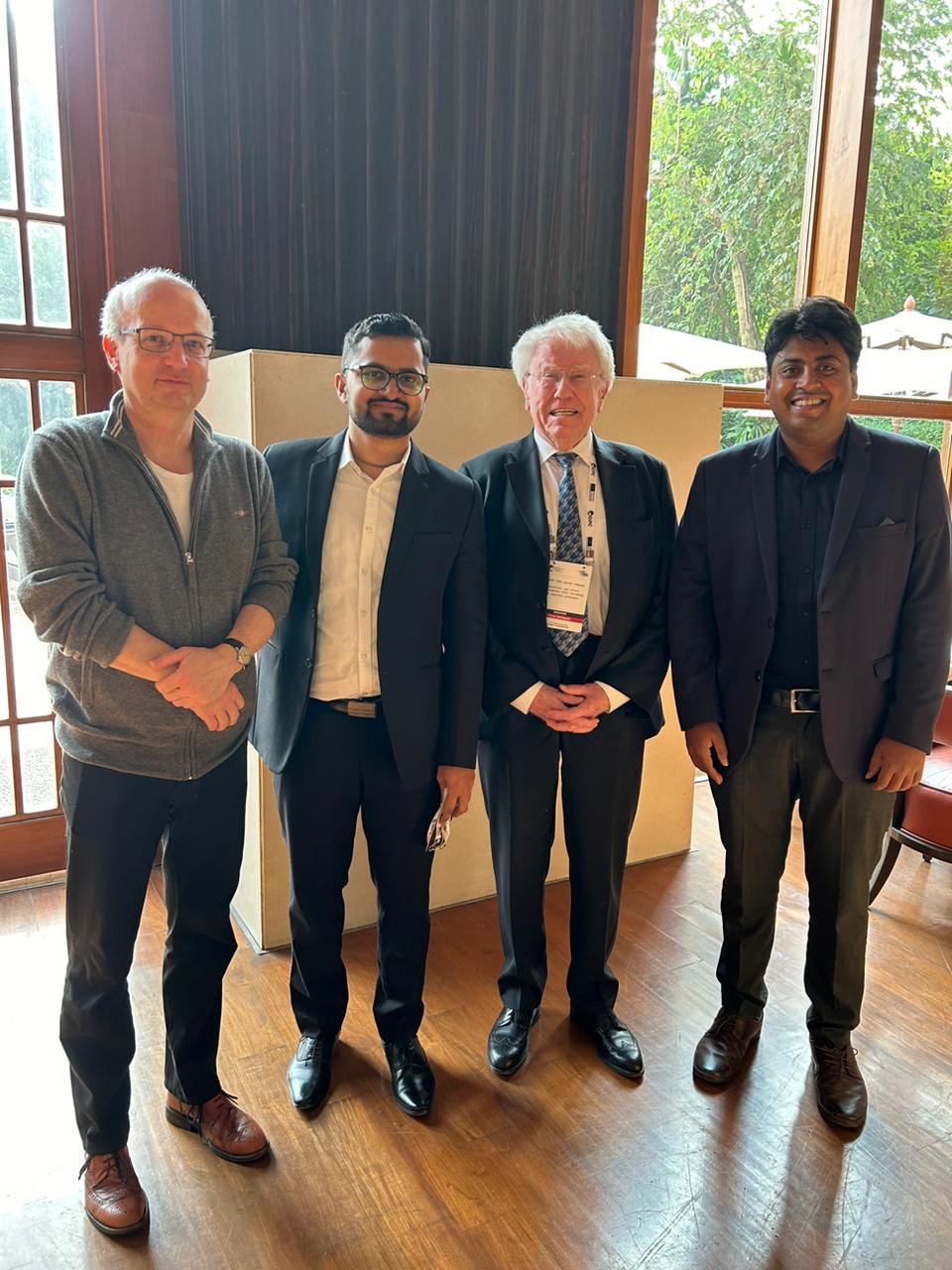
Recognized as Asia's premier intellectual property convention, the Global IP Convention has evolved into one of the most influential forums for the exchange of ideas on intellectual property management and innovation. Since its inception in 2009, the convention has grown into a global platform that has welcomed more than 5,500 delegates, over 600 expert speakers, and participants from 60+ countries, bringing together diverse perspectives from industry, government, academia, and legal practice.
The convention brought together an exceptional cross-section of the global intellectual property ecosystem, including representatives from leading organizations such as Qualcomm, Tata Consultancy Services (TCS), Mercedes-Benz Research and Development India, Philips, Shell, Hindustan Unilever, Schneider Electric, Biocon Biologics, Danaher, Intas Pharmaceuticals, Inventia Healthcare, Mahindra Swaraj, Capgemini, and premier intellectual property law firms including Anand and Anand, LexOrbis, K&S Partners, Khurana & Khurana, S.S. Rana & Co., Subramaniam & Associates (SNA), Finnegan, Cooley LLP, Linklaters, among many others. The participation of senior corporate IP leaders, patent attorneys, technology transfer professionals, policymakers, and international experts from more than 60 countries reinforced the convention's position as one of Asia's most influential platforms for discussing the future of intellectual property, innovation, and technology commercialization.
The two-day convention featured an extensive programme comprising keynote addresses, technical sessions, panel discussions, debates, case-study presentations, and networking interactions. Discussions covered a wide spectrum of contemporary issues, including artificial intelligence and patentability, cross-border intellectual property strategy, technology transfer, standard essential patents, pharmaceutical innovation, brand protection, copyright in the digital economy, IP commercialization, and the evolving role of intellectual property in emerging technologies.
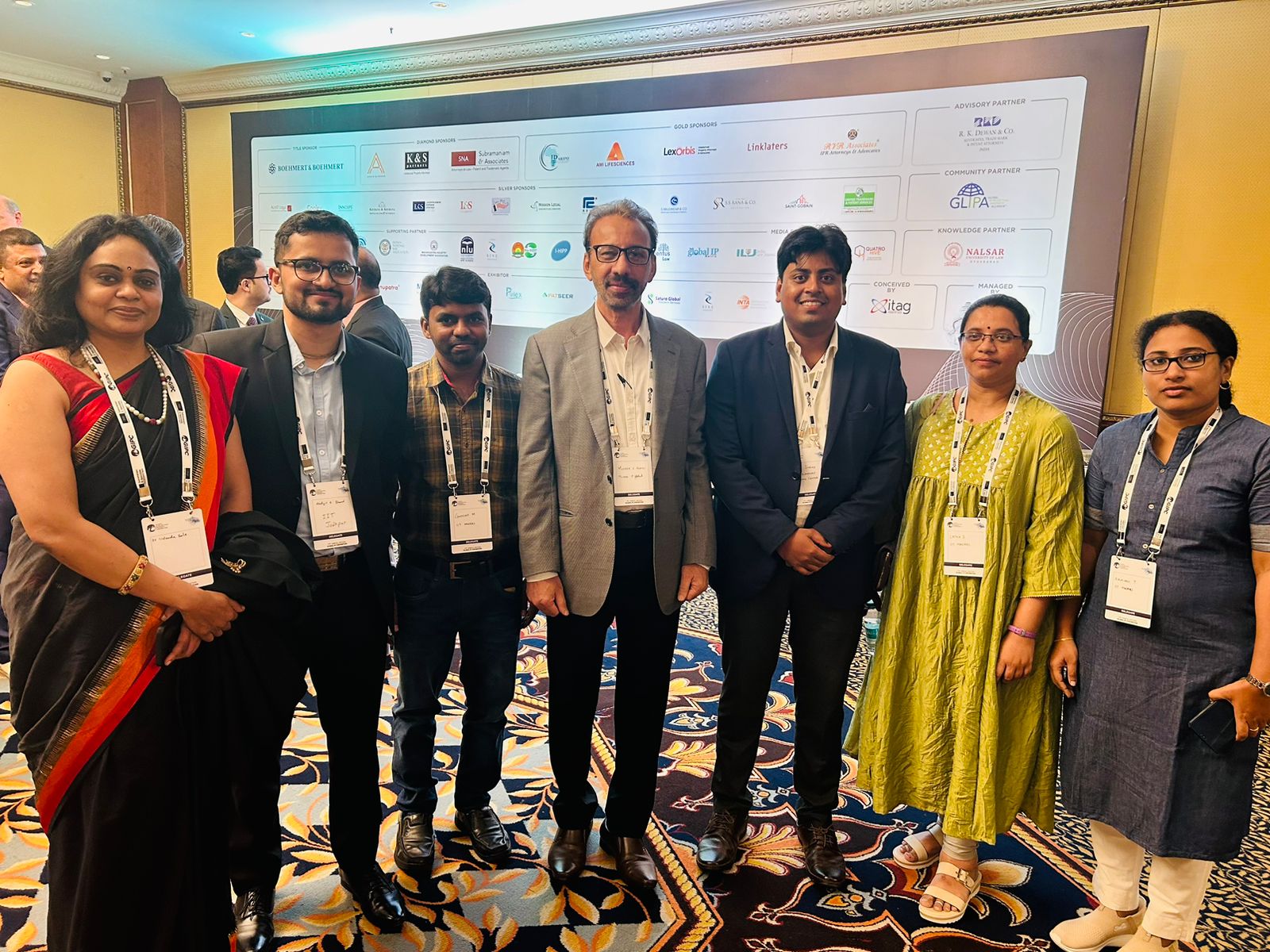
The event also provided a valuable opportunity to understand how businesses are adapting their intellectual property strategies in response to rapid technological change and an increasingly interconnected global marketplace.
For Mr. Bhand, participation in the convention represented more than attendance at an international conference. It provided an opportunity to engage in meaningful discussions with experienced patent attorneys, corporate IP leaders, in-house counsel, technology transfer professionals, and innovators representing diverse industries. Conversations throughout the convention offered valuable insights into evolving international practices in intellectual property management, commercialization strategies, patent portfolio development, enforcement trends, and the growing integration of intellectual property with business decision-making.
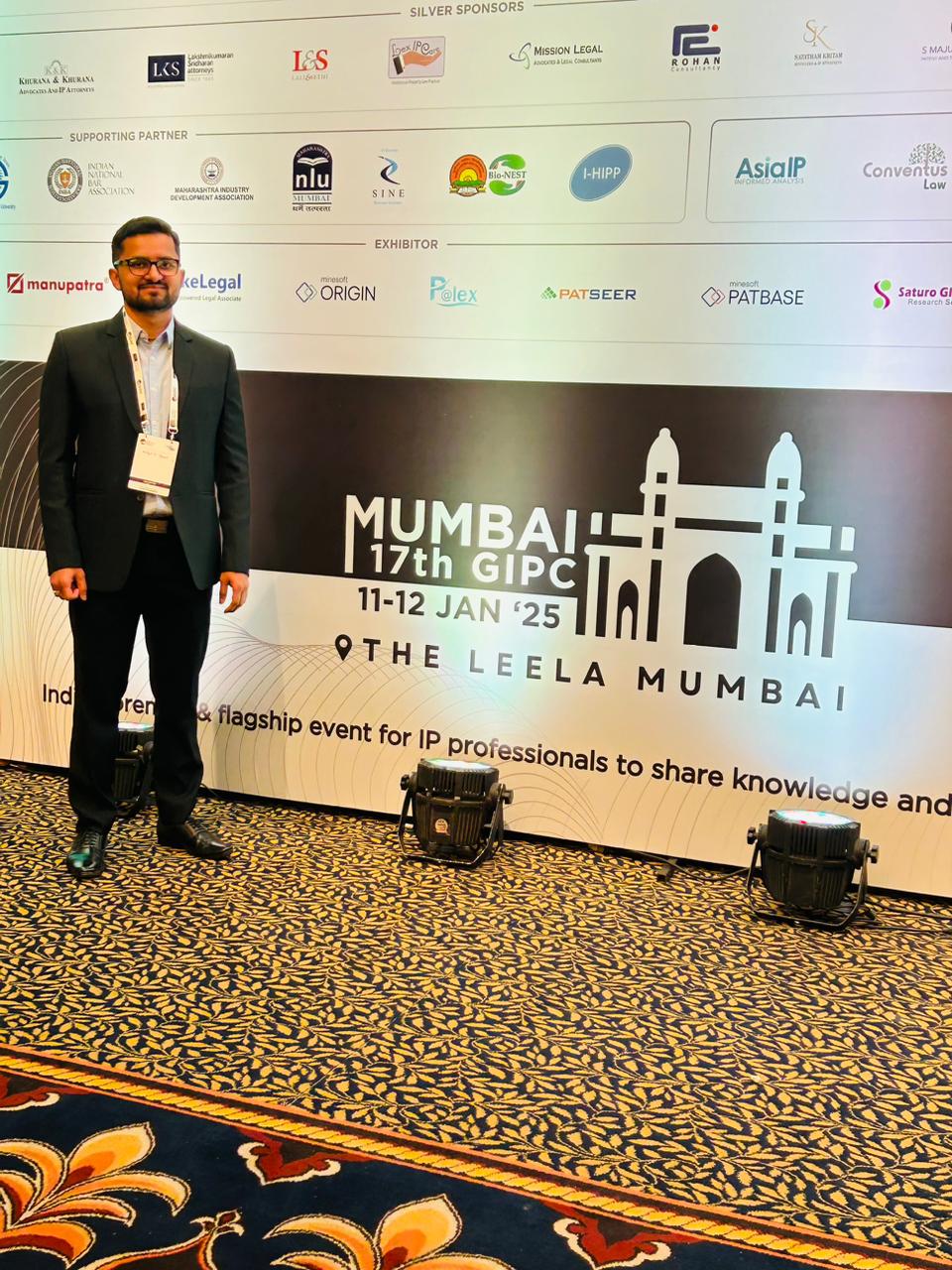
One of the most valuable aspects of the convention was the diversity of perspectives represented under a single platform. Professionals from sectors including pharmaceuticals, information technology, biotechnology, manufacturing, consumer products, automotive engineering, electronics, and research institutions shared practical experiences on how intellectual property is increasingly becoming a strategic business function rather than a purely legal discipline. These interactions reinforced an important reality of today's innovation economy: organizations that effectively create, manage, and commercialize intellectual assets are often better positioned to achieve sustainable competitive advantage in global markets.
Beyond the formal technical sessions, the convention offered exceptional opportunities for professional networking and knowledge exchange. Interactions with intellectual property practitioners, corporate executives, innovators, and international delegates enabled discussions on emerging challenges facing the profession, ranging from artificial intelligence and software patenting to technology licensing, innovation policy, and the commercialization of research. Such exchanges continue to play a vital role in broadening professional perspectives and fostering collaboration across jurisdictions and industries.
Participation in global forums such as the Global Intellectual Property Convention is essential in a rapidly evolving innovation landscape where intellectual property law intersects with business, economics, technology, and public policy. The insights gained from discussions with leading practitioners and industry experts not only contribute to professional development but also strengthen the ability to advise innovators, startups, businesses, and research institutions on developing commercially meaningful intellectual property strategies.
As intellectual property continues to emerge as one of the defining assets of the global knowledge economy, forums like the Global Intellectual Property Convention provide an invaluable platform for learning, collaboration, and the exchange of ideas. Participation in the 17th GIPC 2025 reaffirmed the importance of continuous engagement with global developments, emerging technologies, and international best practices that shape the future of innovation and intellectual property.