Innovation rarely begins inside a laboratory, it often begins with curiosity. Every transformative invention, from the touchscreen smartphone to GPS navigation and wireless earphones, started with someone asking a simple question: "Can this be done differently?" Encouraging young minds to develop this mindset was the central objective of an Innovation & Intellectual Property Workshop organized at Sarala Birla Public School, Guwahati, under the GLIPA India Innovation & Intellectual Property Awareness Initiative.
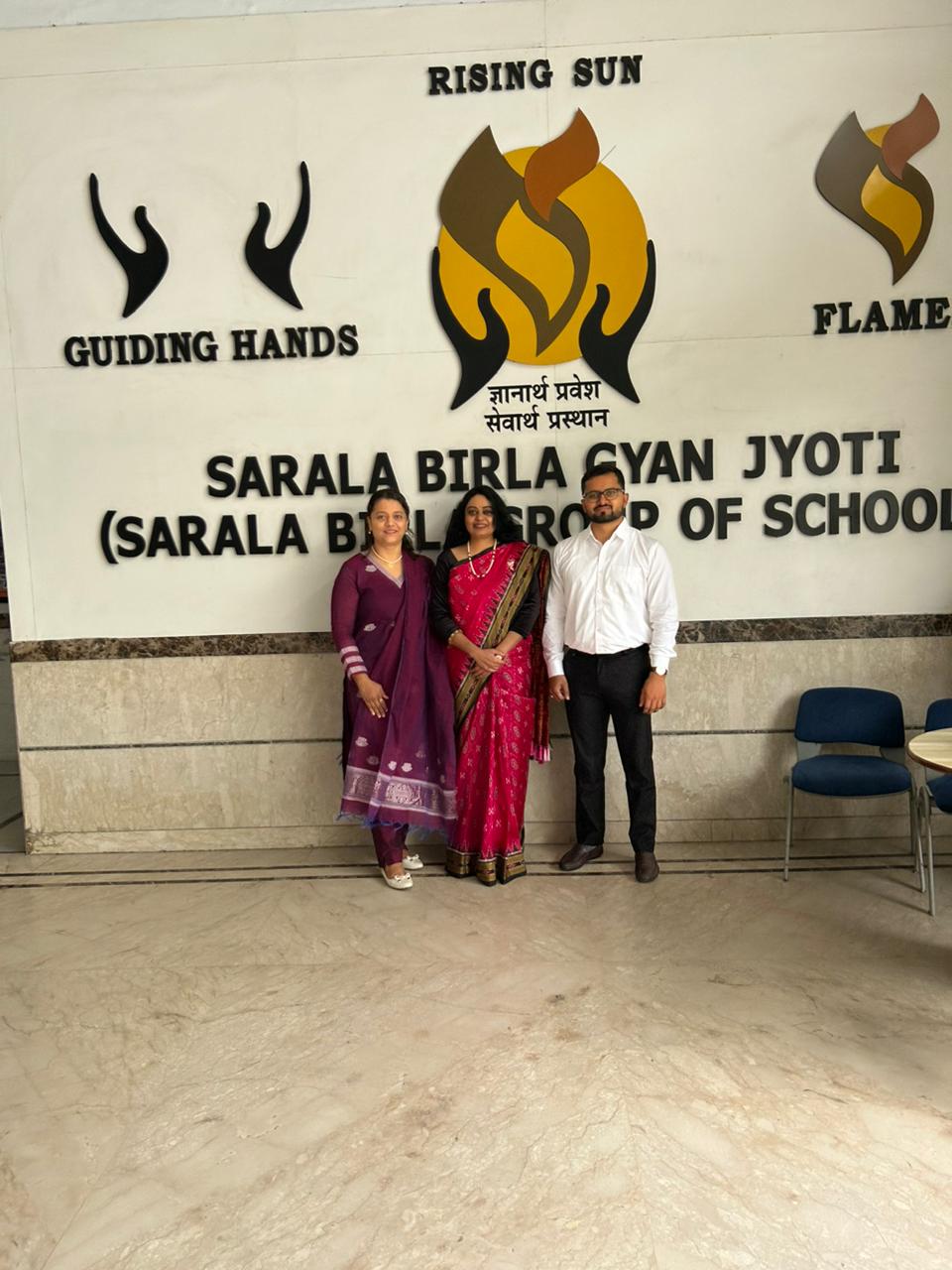
The interactive workshop brought together school students and faculty members for an engaging learning experience led by Abhijit Bhand, Intellectual Property Consultant and Registered Indian Patent Agent, alongside Dr. Nalanda Bala Murugan, Dr. (Adv.) Shraddha Damle, and Dr. Suman Nandy. Together, the speakers introduced participants to the interconnected worlds of creativity, innovation, entrepreneurship, and intellectual property through practical activities and real-world examples.
During the workshop, Mr. Bhand encouraged students to look beyond textbooks and begin observing everyday problems around them. Participants explored how ordinary challenges encountered in schools, homes, transportation, healthcare, and environmental sustainability can become opportunities for innovation when approached with curiosity and critical thinking. Through interactive discussions and problem-solving exercises, students learned that successful innovations are often simple solutions to meaningful problems rather than highly complex technologies.
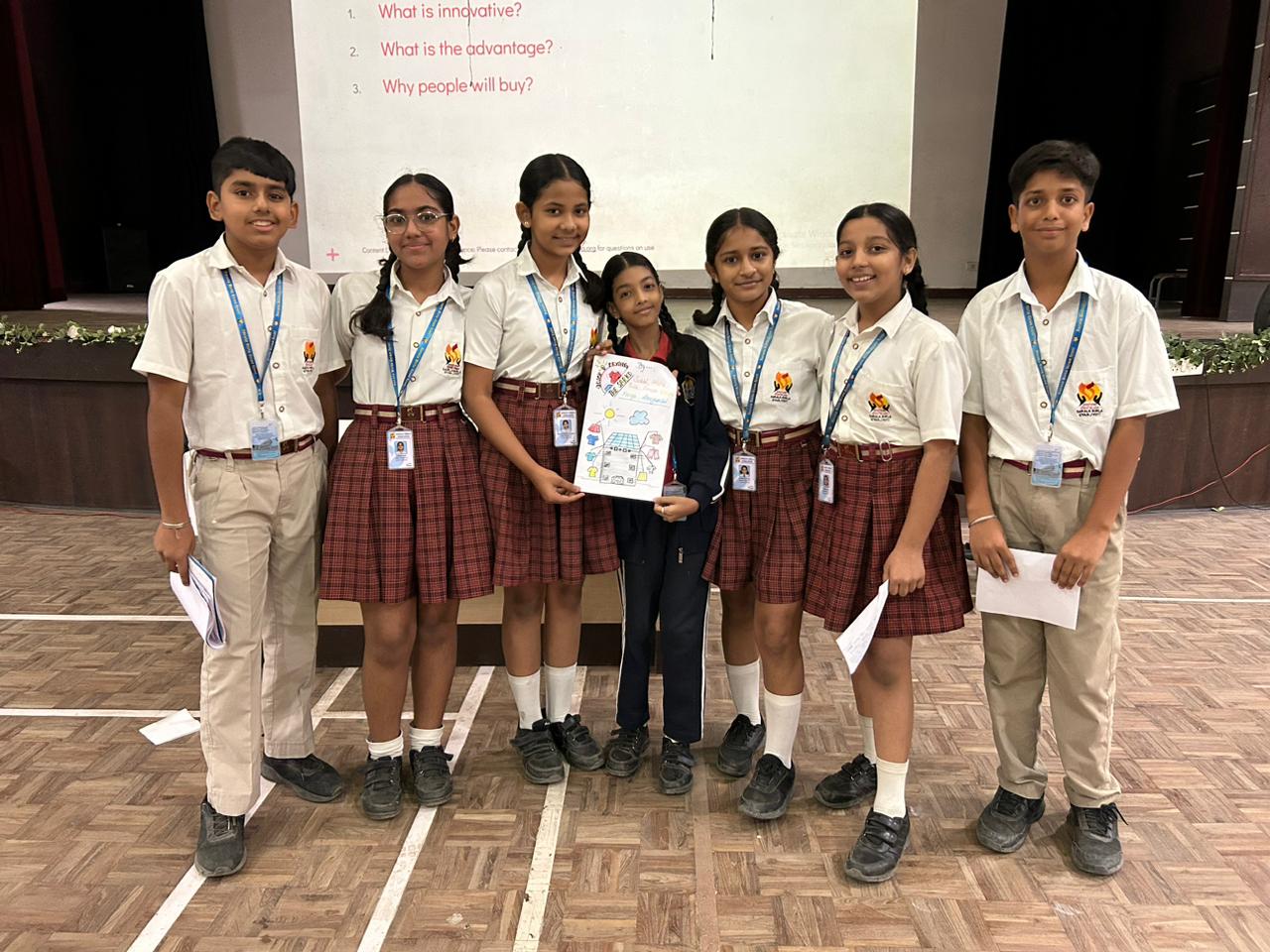
The workshop also introduced participants to the concept of intellectual property as the bridge between creativity and economic value. Students were shown how inventors and businesses protect new technologies through patents, establish consumer trust through trademarks, safeguard creative works through copyrights, and use industrial designs to create distinctive products. Rather than presenting intellectual property as a legal concept alone, the discussion demonstrated how it enables innovators to transform ideas into commercially successful products and sustainable businesses.
An important aspect of the session focused on the changing nature of the global economy. According to international studies, more than half of global economic growth is now driven by knowledge, technology, and innovation, while companies continue to invest billions of dollars annually in research and development to create intellectual assets that shape future industries. Students were encouraged to appreciate that tomorrow's most valuable careers may not simply involve using technology—but creating, protecting, and commercializing it.
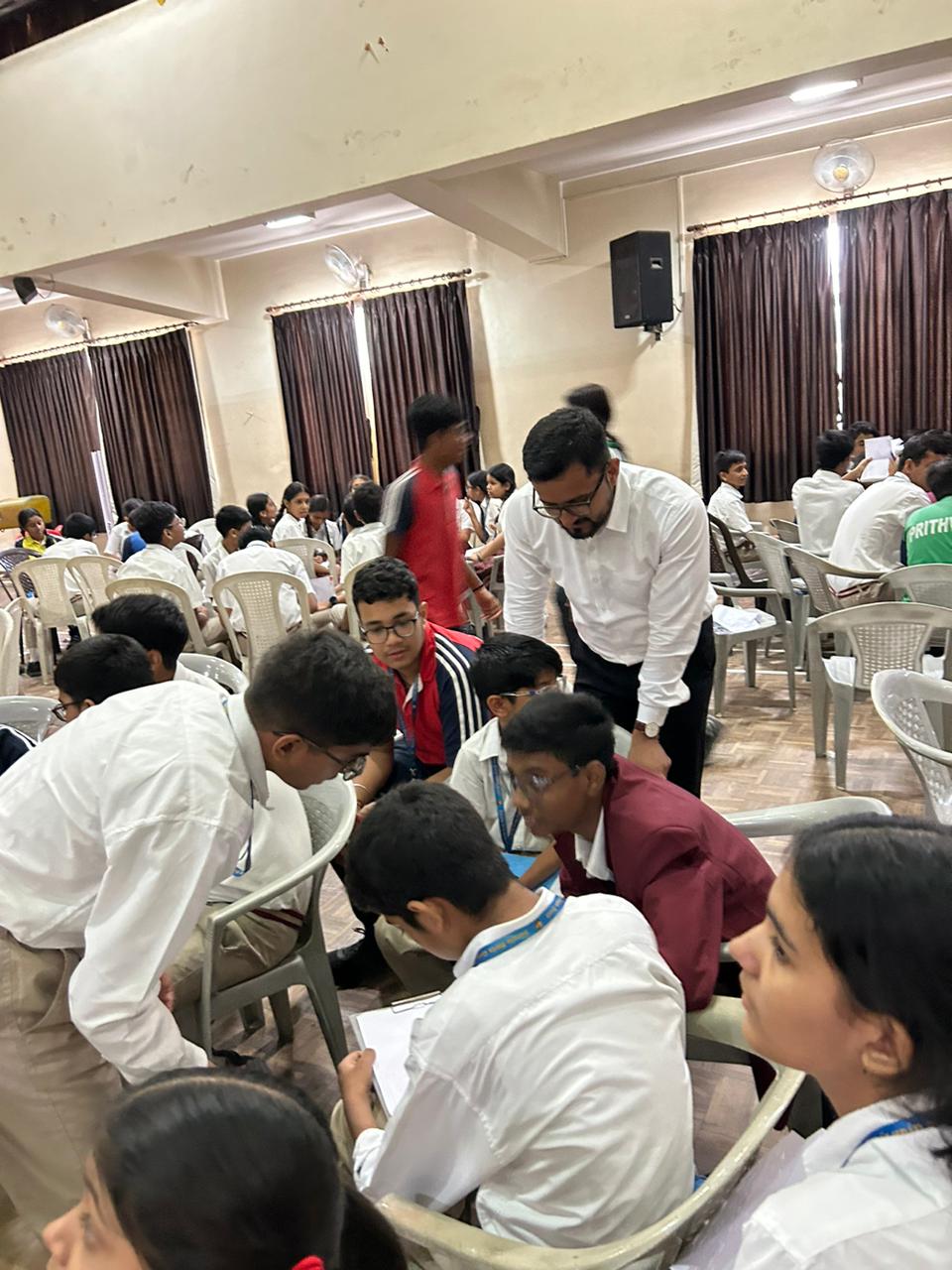
The programme featured practical examples from sectors that students interact with every day. Participants discovered how the sports industry protects iconic logos and apparel designs, how entertainment companies build global brands through copyrights and trademarks, and how innovators in fields such as renewable energy, artificial intelligence, wearable technology, and consumer electronics rely on intellectual property to remain competitive in rapidly evolving markets. These examples helped students connect classroom learning with real-world innovation and entrepreneurship.
The workshop concluded with an interactive exchange of ideas, where students enthusiastically discussed future inventions, entrepreneurship, and the importance of protecting original creations. Their curiosity and active participation reflected the growing interest among school students in becoming innovators capable of solving real-world challenges through technology and creativity.
The programme formed part of GLIPA India's Innovation & Intellectual Property Awareness Outreach across the Northeastern region, aimed at introducing innovation and intellectual property concepts to students at an early stage of their academic journey. Special appreciation is extended to Dr. Nalanda Bala Murugan and Dr. Suman Nandy, whose dedicated planning, leadership, and seamless coordination were instrumental in successfully organizing the outreach programme across the Northeast. Their efforts have significantly contributed to strengthening innovation awareness among young learners and creating meaningful opportunities for intellectual engagement within educational institutions.
By encouraging students to think creatively, question existing solutions, and understand the value of protecting original ideas, the workshop reinforced an important message: the innovators who shape tomorrow's world often begin by observing today's smallest problems.