Few industries illustrate the importance of intellectual property as clearly as the pharmaceutical sector. Developing a single new medicine often requires more than a decade of research and billions of dollars in cumulative investment, while only a small fraction of potential drug candidates ultimately reach the market. In such a high-risk innovation ecosystem, intellectual property serves not merely as a legal mechanism but as the economic foundation that enables pharmaceutical research, technology transfer, and continued investment in life-saving discoveries.
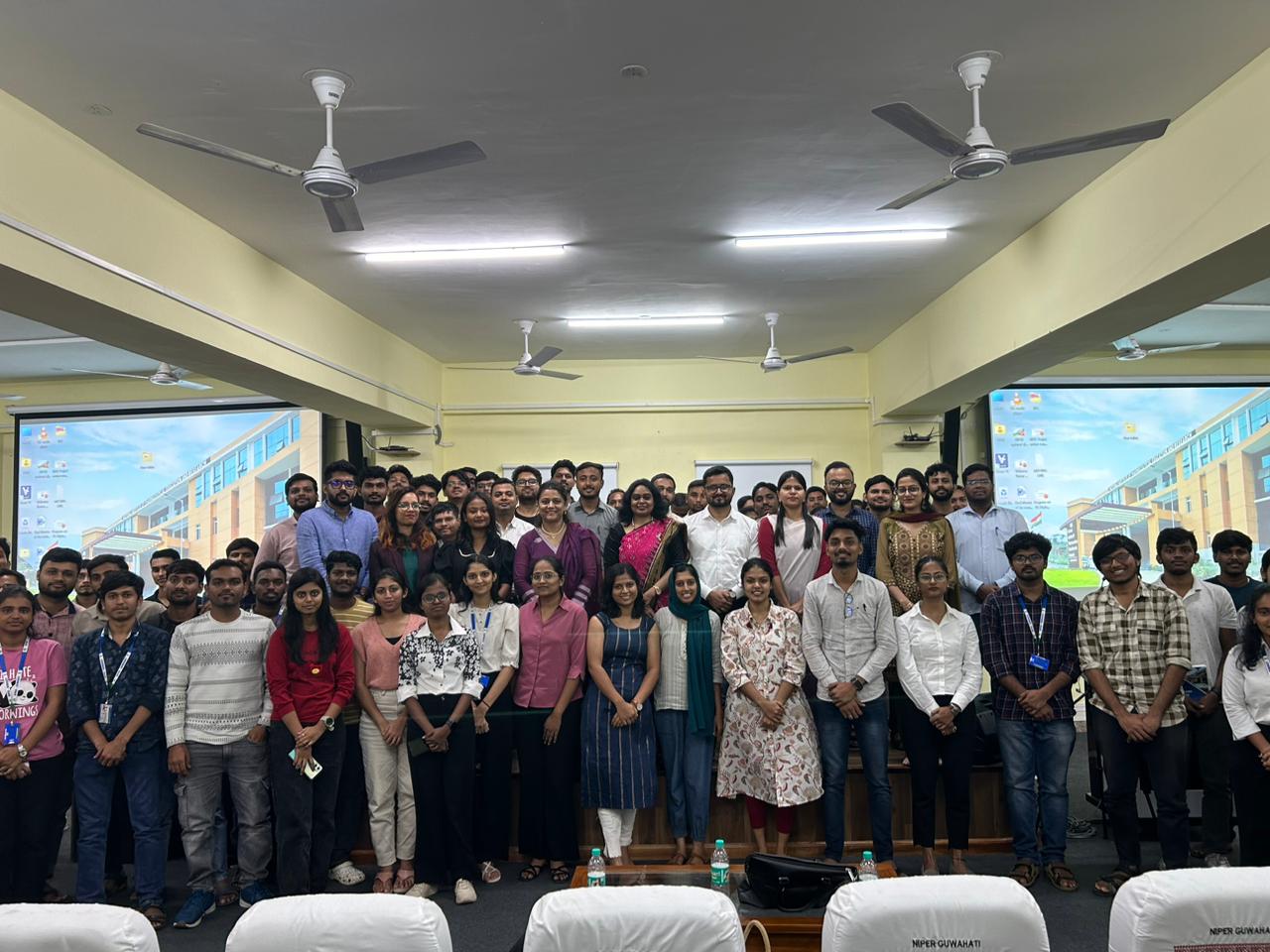
Against this backdrop, GLIPA India, in collaboration with the BioNEST Incubation Centre at the National Institute of Pharmaceutical Education and Research (NIPER), Guwahati, organized an advanced technical workshop exploring the intersection of intellectual property, pharmaceutical innovation, and commercialization. The programme brought together more than 100 students, researchers, startup innovators, and faculty members, creating a platform for in-depth discussions on one of the most innovation-intensive industries in the world.
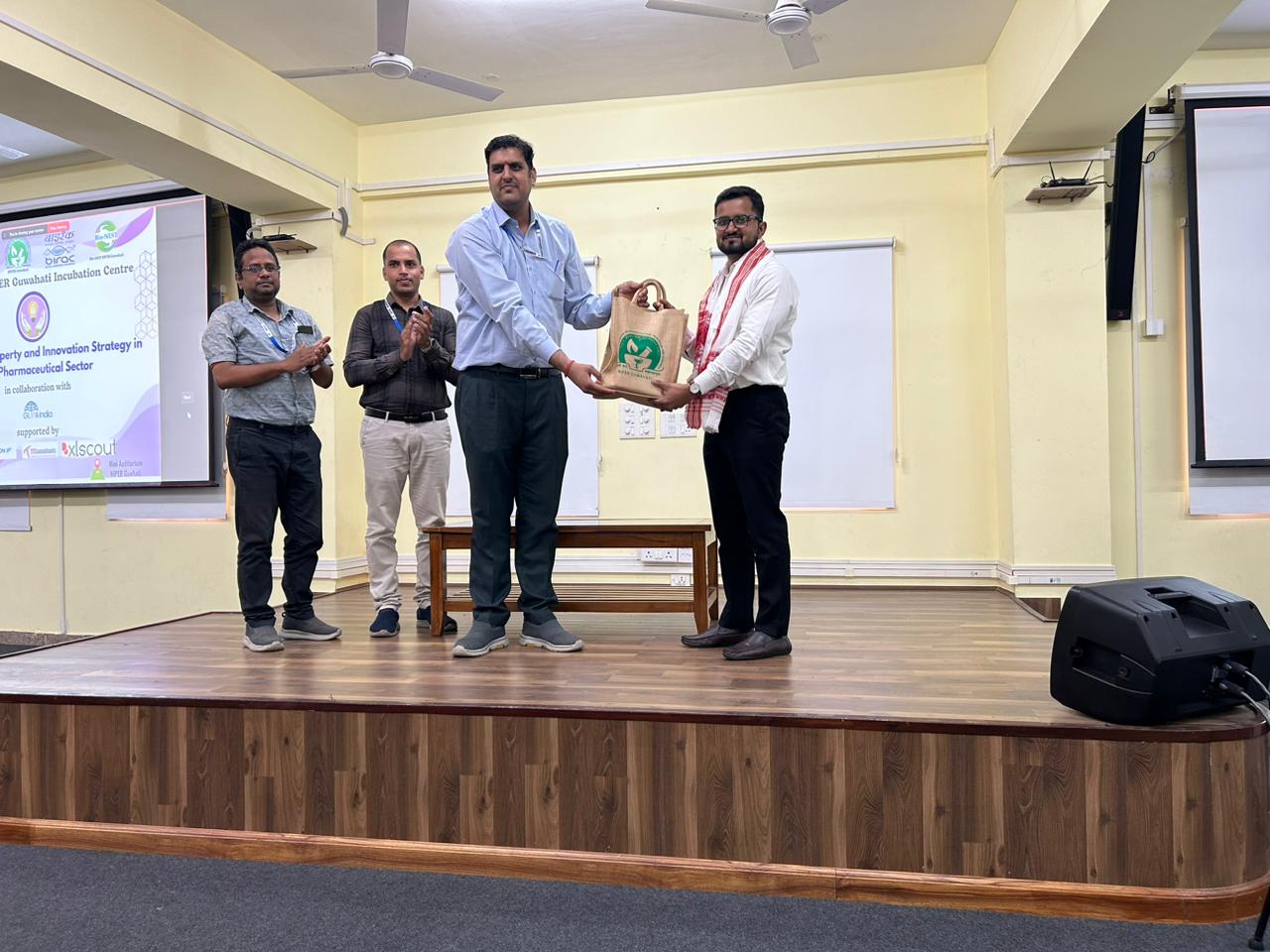
The workshop featured expert sessions by Mr. Abhijit Bhand, Dr. Nalanda Bala Murugan, and Dr. Shraddha Damle, each addressing different dimensions of intellectual property within the pharmaceutical innovation ecosystem. Unlike introductory awareness programmes, the discussions were designed to provide participants with a deeper understanding of how intellectual property influences research investment, technology development, commercialization strategies, and the long-term sustainability of pharmaceutical enterprises.
During his session, Mr. Abhijit Bhand examined the economic rationale underlying pharmaceutical intellectual property systems and explained why proprietary technologies remain central to global healthcare innovation. Using practical examples from the pharmaceutical and biotechnology sectors, he demonstrated how patents enable innovators to recover substantial research and development investments while encouraging continued scientific advancement through public disclosure of inventions. The discussion further explored the relationship between intellectual property, technology licensing, startup formation, strategic collaborations, venture capital investment, and international market expansion.
Participants were introduced to several real-world examples illustrating how breakthrough pharmaceutical technologies evolve from laboratory research into commercially successful products through carefully structured intellectual property strategies. The session highlighted the role of patent portfolios, regulatory considerations, technology transfer, and collaborative research in building innovation-driven pharmaceutical enterprises. Attention was also given to emerging trends in biologics, precision medicine, biotechnology platforms, and research commercialization, emphasizing how proprietary technologies increasingly determine competitiveness within the global life sciences industry.
The workshop also examined broader economic perspectives surrounding intellectual property in healthcare. Participants discussed how countries with strong innovation ecosystems continue to attract greater pharmaceutical investment, strengthen domestic research capabilities, and facilitate knowledge-intensive industrial growth through effective intellectual property frameworks.
By combining legal, scientific, and commercial perspectives, the programme enabled attendees to appreciate intellectual property not as an isolated legal discipline but as a strategic instrument supporting public health innovation and economic development.
The technical sessions concluded with an extensive interactive discussion, during which participants raised questions relating to pharmaceutical patent strategy, technology transfer from academic institutions, startup commercialization, licensing models, international protection of pharmaceutical inventions, and emerging challenges associated with rapidly evolving healthcare technologies. The depth of the discussion reflected the participants' strong research orientation and the growing interest in translating scientific discoveries into commercially viable healthcare solutions.
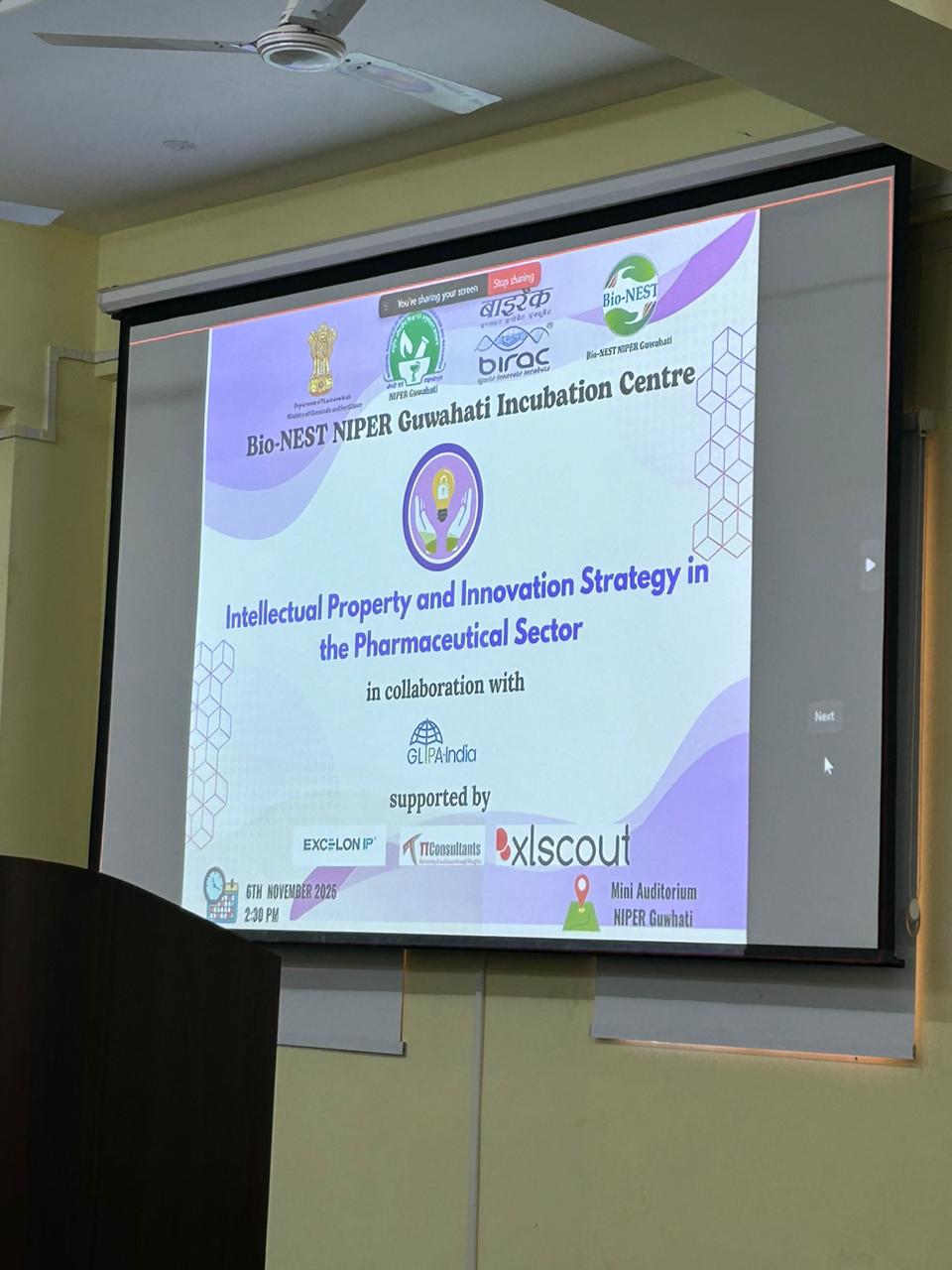
The programme formed part of GLIPA India's Innovation & Intellectual Property Awareness Outreach across Northeast India and was successfully organized in collaboration with the BioNEST Incubation Centre, NIPER Guwahati, with the support of partner organizations committed to strengthening innovation and intellectual property awareness in the region. Special appreciation is extended to Dr. Nalanda Bala Murugan and Dr. Suman Nandy, whose leadership, meticulous planning, and effective coordination were instrumental in bringing together experts, researchers, and institutions for this highly specialized initiative.
By connecting intellectual property with pharmaceutical research, innovation economics, and technology commercialization, the workshop demonstrated that the future of healthcare extends far beyond scientific discovery. Transforming research into therapies that improve lives requires not only scientific excellence but also robust intellectual property strategies capable of supporting investment, collaboration, and sustainable innovation on a global scale.