Why do some nations consistently produce globally recognized brands while others continue to rely on manufacturing or natural resources? Increasingly, economists point to one answer - Intellectual Property. In the twenty-first century, patents, trademarks, copyrights, industrial designs, and other intangible assets have become the foundation of national competitiveness, technological leadership, and economic prosperity.
This perspective formed the core of an expert session delivered by Abhijit Bhand, Intellectual Property Consultant and Registered Indian Patent Agent, at St. Anthony's College, Shillong, under the GLIPA India Innovation & Intellectual Property Awareness Outreach Programme. The interactive programme brought together students, researchers, and faculty members to explore how intellectual property has evolved beyond a legal discipline into one of the world's most powerful economic instruments.
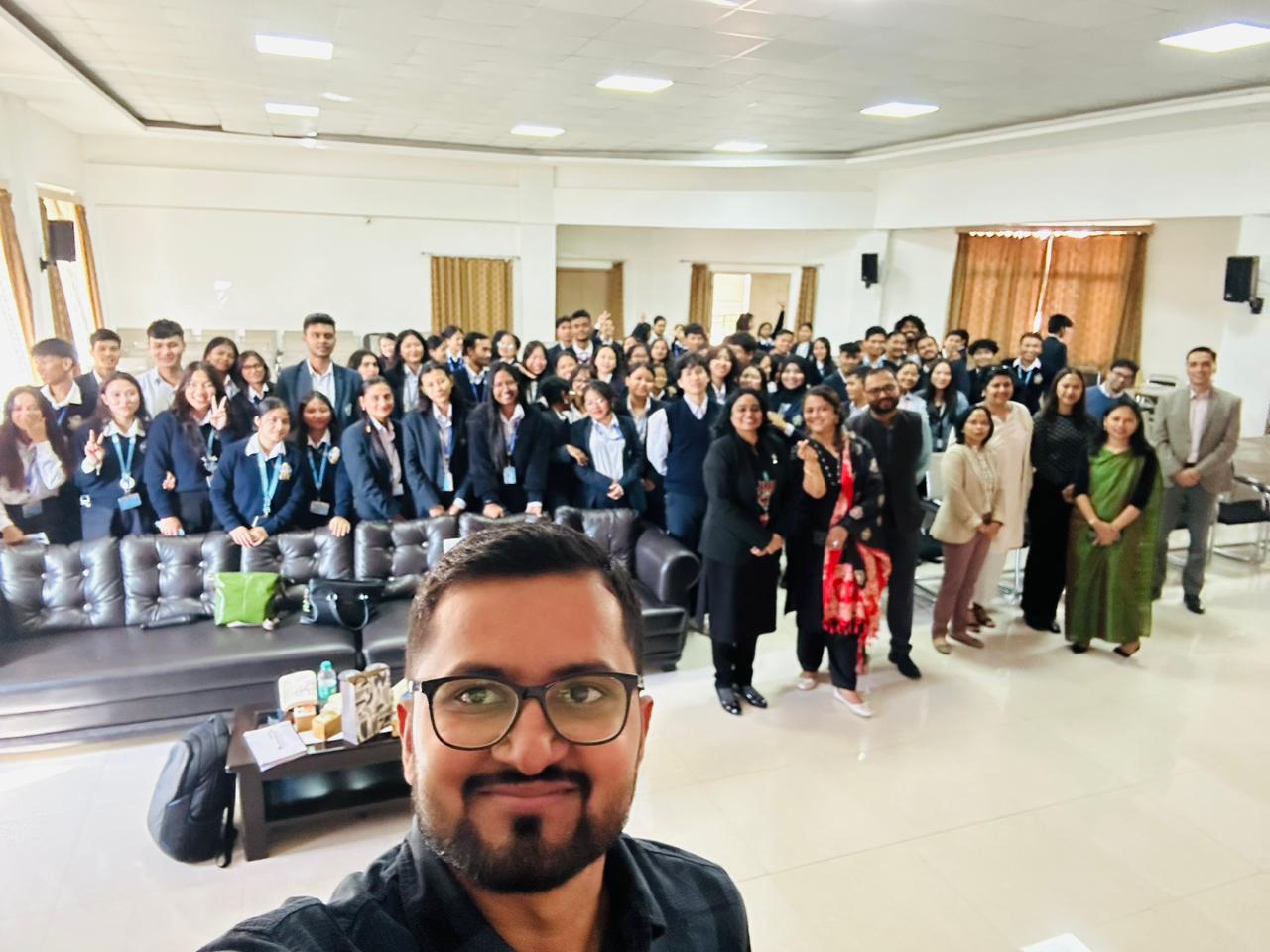
Rather than approaching intellectual property solely from the perspective of registration procedures, the session examined its broader impact on business strategy, industrial development, and national economic transformation. Through examples drawn from leading innovation-driven economies, participants gained insights into how countries leverage intellectual property to create globally competitive industries, attract investment, and generate high-value employment.
A significant part of the discussion focused on South Korea, whose remarkable economic transformation offers one of the strongest demonstrations of the value of intellectual property. Once a developing economy with limited natural resources, South Korea strategically invested in research, technology, education, and intellectual property, enabling the emergence of globally recognized enterprises such as Hyundai, LG, SK Group, and CJ Group. The session illustrated how patents, trademarks, industrial designs, copyrights, and continuous investment in innovation enabled these companies to compete successfully in international markets while contributing significantly to the country's economic growth and global competitiveness.
Participants also explored how startups increasingly rely on intellectual property to secure investment, establish market differentiation, license technologies, and create long-term enterprise value. Drawing upon contemporary examples from technology-driven businesses, Mr. Bhand explained that many successful startups derive a substantial portion of their valuation from intangible assets rather than physical infrastructure, making intellectual property strategy an essential component of modern entrepreneurship.
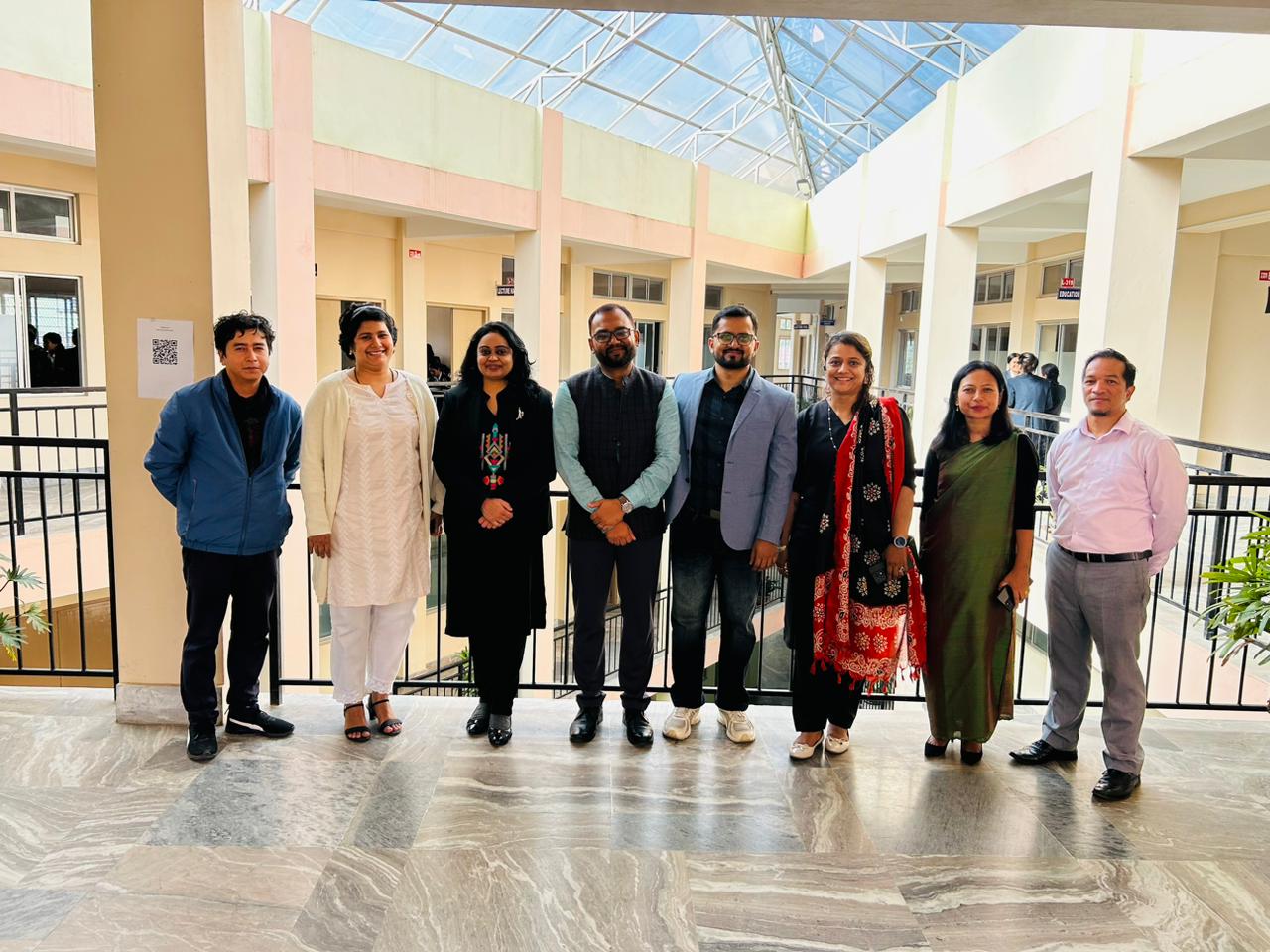
The programme also featured an insightful address by Dr. (Adv.) Shraddha Damle, Dr. Nalanda Bala Murugan and Dr. Suman Nandy, who shared valuable perspectives on the evolving role of intellectual property and its growing relevance within academic research, innovation ecosystems, and legal practice. The combined discussions offered participants a multidisciplinary understanding of intellectual property, connecting innovation, law, entrepreneurship, and economic development.
The session concluded with an engaging interaction, during which students discussed topics including technology commercialization, startup ecosystems, intellectual property careers, innovation policy, and the role of higher educational institutions in fostering research-driven entrepreneurship. The enthusiastic participation reflected the increasing interest among young learners in understanding how knowledge and creativity can be transformed into sustainable economic value.
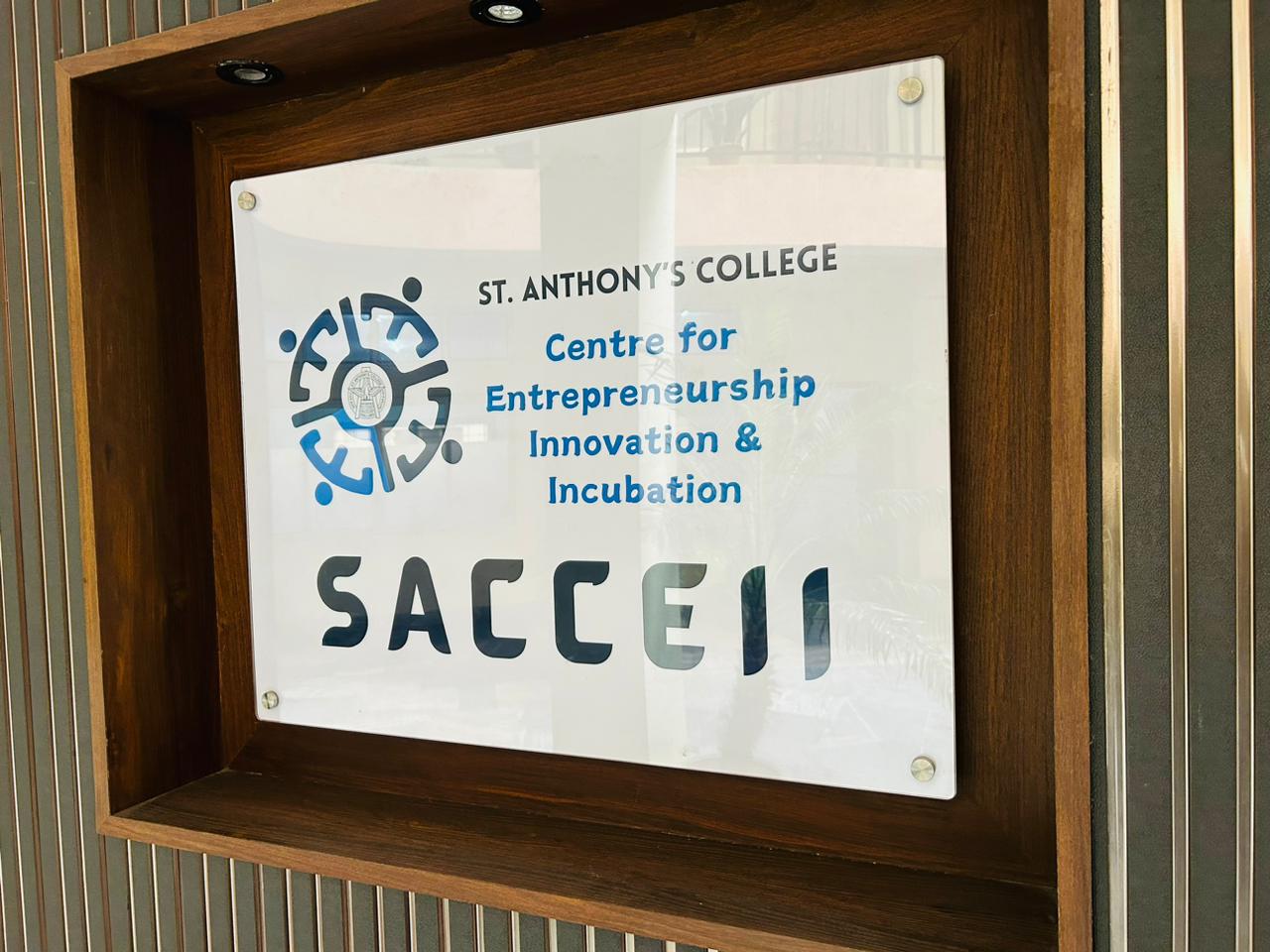
The programme was organized by GLIPA India as part of its Innovation & Intellectual Property Awareness Outreach across Northeast India, with the objective of strengthening innovation culture and intellectual property literacy among educational institutions in the region. Special appreciation is extended to Dr. Nalanda Bala Murugan and Dr. Suman Nandy, whose dedicated leadership and meticulous coordination were instrumental in successfully organizing the outreach programme and expanding its impact across the Northeast.
By connecting intellectual property with national development, industrial competitiveness, and entrepreneurship, the session encouraged participants to look beyond inventions alone and appreciate the broader role of knowledge-based assets in shaping economies. As countries increasingly compete through innovation rather than resources, building awareness of intellectual property among young minds will remain essential for nurturing the next generation of researchers, entrepreneurs, and policy leaders.