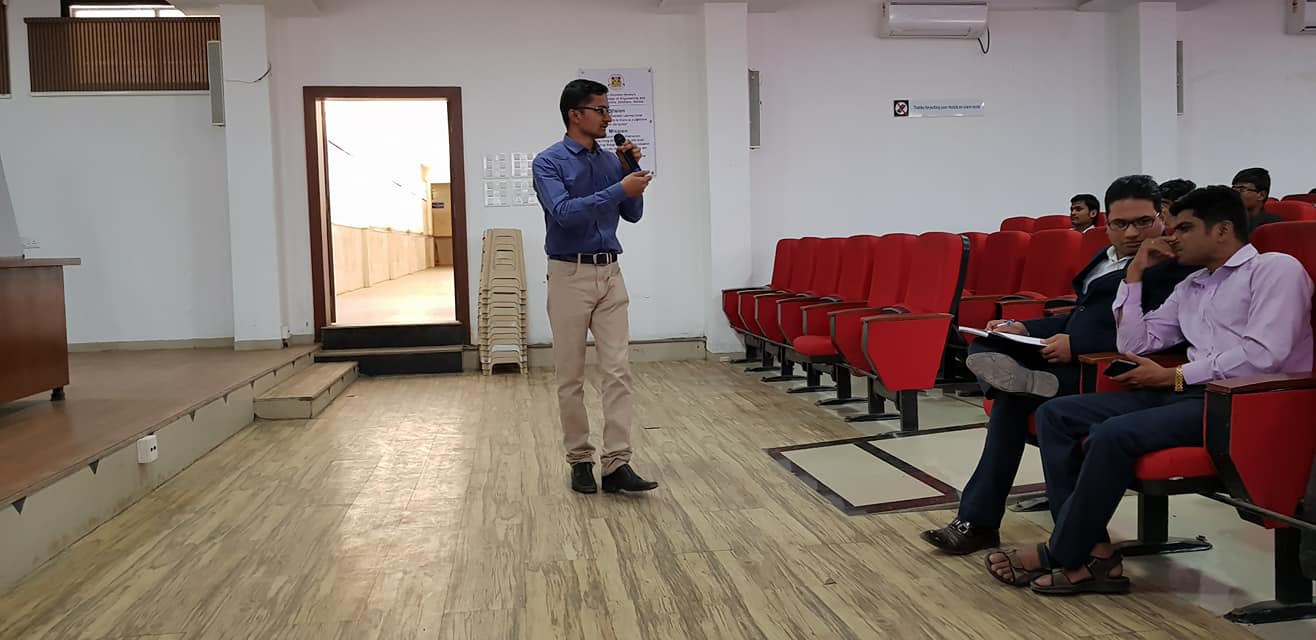
On 28 April 2019, an Entrepreneurship Awareness Camp was conducted at Matoshree College of Engineering and Research Centre, Nashik. The programme was organised by Udyogwardhini in association with Kanadlab Institute of Intellectual Property and Research.
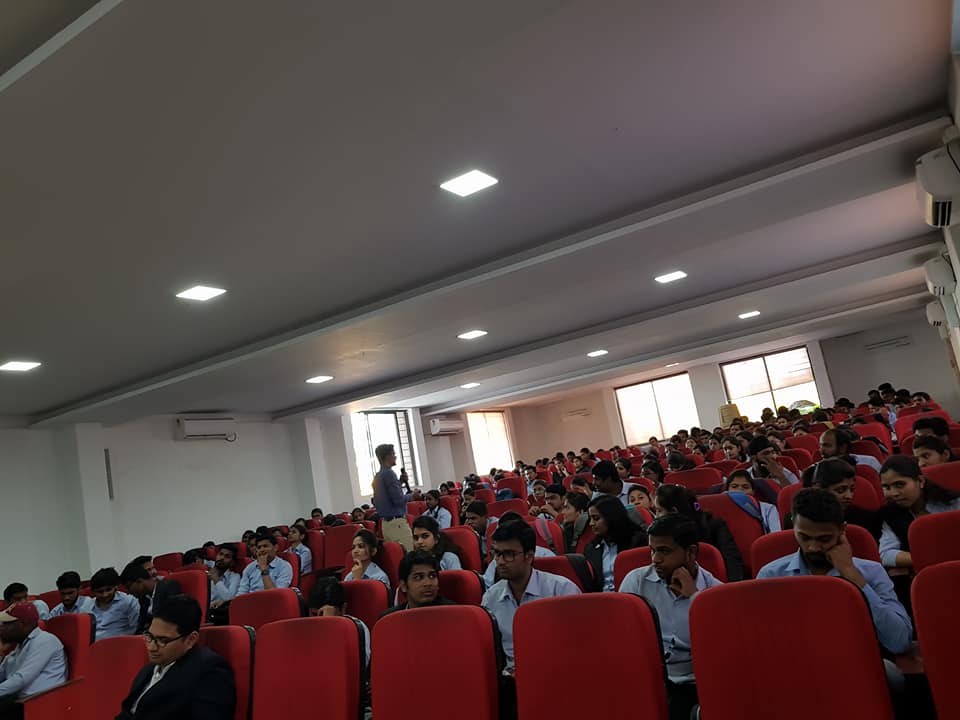
The session focused on the theme “Role of Intellectual Property in Start-ups” and was attended by around 300 participants including students from different engineering departments as well as faculty members. The interaction brought together young engineers who were already thinking about new ideas, technology-based solutions, and entrepreneurial opportunities.
The session was delivered by Abhijit Bhand, who addressed the participants on how innovation, entrepreneurship, and intellectual property are closely connected in today’s technology-driven economy.
Why Innovation and Startups Matter for a Nation
During the interaction, one of the central questions discussed with the students was why governments across the world are investing heavily in startup ecosystems. The answer lies in the role startups play in economic growth.
Startups introduce new technologies, create employment opportunities, and often disrupt traditional industries by offering better solutions. Many of the products and services used today began as startup ideas developed by young innovators who were willing to experiment and challenge existing systems.
Recognising this potential, the Government of India has introduced several initiatives to encourage entrepreneurship and innovation. Programs such as Startup India, Atal Innovation Mission, and the Make in India campaign aim to support innovators, researchers, and young entrepreneurs.
These initiatives provide financial incentives, incubation support, and policy frameworks that encourage students and professionals to develop new technologies and businesses. However, while funding and mentorship are important, protecting innovation is equally essential. This is where intellectual property becomes a critical factor.
Intellectual Property as the Foundation of Business Value
The session explored how intellectual property helps transform an idea into a valuable business asset. When a startup develops a new product or technology, protecting it through intellectual property rights ensures that competitors cannot easily copy it.
Without protection, a new idea can quickly be replicated in the market, leaving the original innovator without any advantage.
For startups and MSMEs, intellectual property can therefore become the most valuable asset of the business. Many successful companies build their entire business models around technologies, designs, software, or brands that are protected through intellectual property.
The discussion emphasised that intellectual property does not belong only to large corporations. Small businesses, individual innovators, and startups can also benefit greatly from protecting their inventions and creative work.
The Role of Different Forms of Intellectual Property
Students were introduced to the four major forms of intellectual property that influence modern businesses.
Patents protect technical inventions such as machines, devices, manufacturing processes, or technological improvements. When a startup develops a new technology and secures a patent, it gains exclusive rights over that technology for a limited period. This exclusivity allows the company to build its market presence and recover research investments.
Copyright protects creative and digital works including software programs, multimedia content, designs, and technical documentation. In today’s digital economy, many startups rely on software and digital platforms. Copyright protection ensures that these creations remain legally protected.
Trademarks protect brand identity. The name, logo, and visual identity of a company are often what customers recognise first. A strong trademark helps build trust in the market and allows businesses to establish long-term brand recognition.
Industrial designs protect the visual appearance of products. Many consumer products become successful not only because of their functionality but also because of their distinctive design. Design protection prevents imitation and helps maintain product uniqueness.
Together, these intellectual property rights create a protective framework that allows businesses to grow without losing their competitive advantage.
Why Students Must Learn About Intellectual Property
One of the key messages of the session was directed specifically at students. Engineering and technology students often develop interesting ideas while working on projects or experimenting with prototypes. Many of these ideas have the potential to become real products or technologies.
However, without awareness of intellectual property, such ideas may be publicly disclosed or copied before they are protected.
Learning about intellectual property during academic years helps students approach innovation more strategically. It encourages them to document their ideas, evaluate their originality, and explore whether their solutions can be protected.
Students were also reminded that the coming years will witness rapid technological transformation driven by digital technologies, artificial intelligence, advanced manufacturing, and data-driven innovation. Preparing for this digital revolution requires not only technical knowledge but also an understanding of how intellectual assets are protected and commercialised.
Interaction with Future Entrepreneurs
The most encouraging part of the session was the enthusiasm shown by the students. Many of them shared their startup ideas and technical concepts during the interaction. Some were exploring solutions related to manufacturing technologies, while others were interested in software and digital platforms.
The conversation reinforced an important point. Many young innovators already have promising ideas. What they often need is guidance, mentorship, and awareness about how to protect and develop those ideas.
Programmes like the Entrepreneurship Awareness Camp create opportunities for such discussions and help students recognise that innovation and entrepreneurship are realistic career paths.
The interaction at Matoshree College of Engineering & Research Centre demonstrated that the next generation of engineers is increasingly interested in building solutions rather than merely seeking employment. With the right support systems and awareness about intellectual property, many of these ideas have the potential to grow into successful ventures that contribute to India’s innovation ecosystem.