An engaging seminar on “Intellectual Property as a Business Strategy” was conducted at the HRD Centre of Inspire Academy, Nashik as part of an Entrepreneurship Development Program aimed at aspiring entrepreneurs and business professionals. The session brought together a group of individuals who were either actively developing new ventures or exploring innovative ideas that could be transformed into scalable businesses.
The program featured Abhijit Bhand as the invited speaker, who addressed the participants on how intellectual property can function as a powerful strategic tool in building modern enterprises. Unlike traditional discussions that treat intellectual property purely as a legal subject, the session explored it from the perspective of business growth, competitive positioning, and long-term value creation.
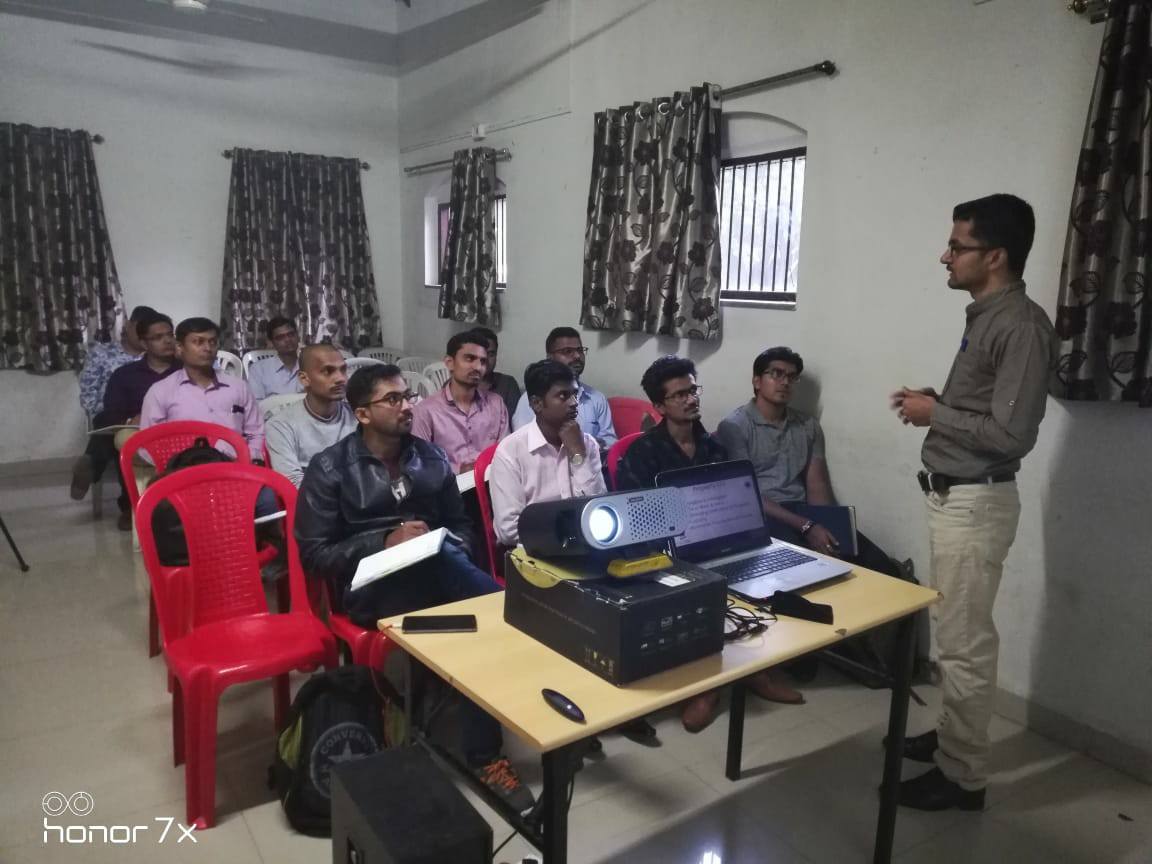
The interaction quickly turned into a thoughtful exchange of ideas, as many participants were already familiar with basic intellectual property concepts and had prepared questions regarding how patents, trademarks, and other forms of protection could be integrated into business strategy. This prior awareness led to a particularly meaningful conversation about the practical realities of building innovation-driven businesses.
One of the key themes discussed during the session was the changing nature of business assets in the twenty-first century. In earlier industrial economies, the success of a business was often measured by its physical assets such as land, factories, or machinery. In today’s knowledge-driven economy, however, the most valuable assets of many companies are intangible. Technologies, product designs, proprietary processes, software systems, and brand identities now form the core value of many successful enterprises.
Entrepreneurs were encouraged to see intellectual property not merely as a defensive legal mechanism but as a strategic asset capable of shaping market identity and attracting investment.
Several examples of innovation-driven businesses helped illustrate this idea. One interesting case discussed was Ather Energy, which developed electric scooters designed with advanced battery management systems and smart connectivity features. By investing heavily in research and protecting technological improvements, the company built a strong innovation identity in India’s electric mobility sector.
Another compelling example was Bira 91, which built its success largely around distinctive branding and product identity. Its trademark strategy and unique brand presentation helped it stand out in a competitive beverage market and establish a loyal customer base both in India and internationally.
Participants were also introduced to the story of BoAt, a company that transformed a crowded market for audio accessories into a strong brand-driven business. While the technology behind headphones and speakers is widely available, the company used branding, design aesthetics, and intellectual property strategy to build a distinct identity among young consumers.
Another interesting example discussed during the session was Lenskart, which combined design innovation, digital technology, and brand development to redefine the eyewear retail market in India. The company’s proprietary technology platforms and brand recognition played an important role in scaling the business.
For entrepreneurs attending the program, these examples highlighted an important lesson. Innovation does not always mean inventing something entirely new. Sometimes it involves reimagining existing products, designing better user experiences, or building stronger brand identities. Intellectual property protection helps businesses secure these advantages and maintain their uniqueness in the marketplace.
The session also explored how startups and MSMEs can build multi-layer intellectual property strategies. A product may incorporate patented technology, distinctive design elements protected through industrial design registration, and a recognizable brand safeguarded by trademarks. When these layers work together, they create a strong protective framework around the business.
Participants also discussed how intellectual property influences investment decisions. Venture capital investors and strategic partners often evaluate whether a startup possesses defensible intellectual assets before committing funds. A well-protected innovation portfolio can significantly increase the valuation and credibility of a business.
The interactive nature of the program allowed entrepreneurs to discuss real business challenges they were facing. Some participants shared their ideas related to manufacturing innovations, digital platforms, and product design improvements. The discussion explored how these ideas could be structured, protected, and potentially commercialized through intellectual property mechanisms.
What made the session particularly encouraging was the curiosity and openness of the participants. Many entrepreneurs expressed a genuine desire to build businesses based not only on commercial opportunity but also on innovation and originality. Their questions reflected a growing awareness that intellectual property plays a central role in shaping sustainable and competitive enterprises.
The seminar at Inspire Academy demonstrated how conversations about intellectual property can inspire entrepreneurs to think more strategically about their ideas. When innovation is combined with thoughtful intellectual property protection, ideas gain the potential to evolve into valuable assets capable of shaping industries and creating long-term economic value.