A seminar on “Intellectual Property in Business Perspective” was conducted at Udyogwardhini, Nashik for aspiring entrepreneurs and technology-driven business owners. The program was organized under an Entrepreneurship Development initiative supported by the Department of Science and Technology, Government of India.
The session was addressed by Abhijit Bhand, who interacted with more than 50 entrepreneurs from different technical and business backgrounds. Many of the participants were already working on new products or technology-based ventures and were particularly interested in understanding how intellectual property could help protect and scale their business ideas.
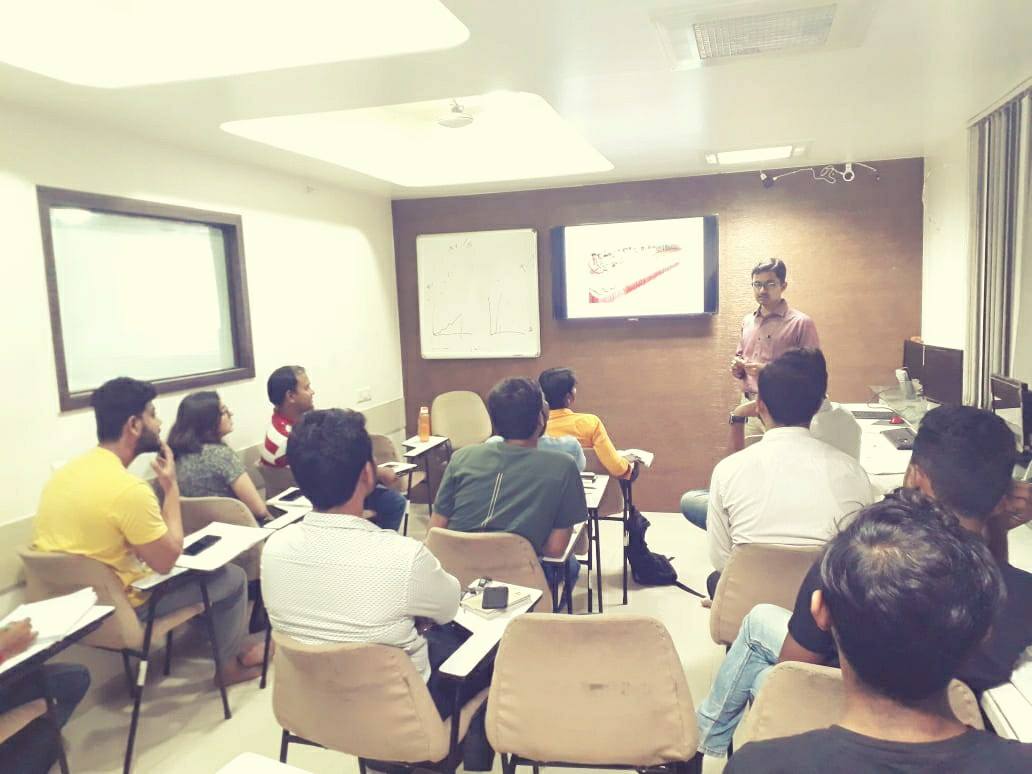
The discussion focused on the fundamentals of intellectual property and its practical relevance to business strategy. While intellectual property is often discussed in legal contexts, the seminar approached it from a purely business perspective. Entrepreneurs were encouraged to view intellectual property as a tool for protecting innovation, creating market differentiation, and generating long-term financial value.
A large part of the conversation revolved around patents and trademarks because most of the entrepreneurs attending the program were working in technology-related domains. For businesses developing machines, devices, manufacturing processes, or engineering improvements, patents provide a powerful mechanism to secure exclusive rights over their innovations. This exclusivity allows businesses to prevent competitors from copying their technological solutions.
Participants also discussed how trademarks build trust and recognition in the marketplace. For many businesses, the brand name itself becomes one of the most valuable assets. Protecting that brand through trademark registration ensures that customers can reliably identify the source of goods or services.
The interaction also covered copyrights and industrial design protection, which are particularly relevant for businesses involved in creative content, product design, and consumer products. In sectors such as furniture, consumer electronics, packaging, and product development, distinctive designs often influence purchasing decisions. Registering these designs ensures that competitors cannot replicate the visual appearance of the product.
An interesting part of the session involved discussing practical challenges faced by entrepreneurs. Several participants shared situations where they had developed useful technologies or brand identities but had not yet explored intellectual property protection. The discussion focused on how businesses can identify protectable assets and convert them into strategic advantages.
The session also highlighted how intellectual property can directly contribute to profit generation. Patents can be licensed to other companies, allowing the inventor to earn royalty income. Trademarks enable brand expansion through franchising or distribution partnerships. Copyright-protected works such as software, training material, or digital content can generate revenue through licensing and subscriptions.
Local and national examples helped illustrate how MSMEs and startups have used intellectual property effectively. One example discussed during the session was Atomberg Technologies, a company that developed energy-efficient ceiling fans based on brushless direct current motor technology. By protecting their technological innovations and brand identity, the company created a strong position in the Indian consumer appliance market.
Another example was Chumbak, which built its business around distinctive product designs and brand identity. Design protection and trademark registration helped the company establish a unique presence in the lifestyle and retail market.
The discussion also referred to Paper Boat, a startup that successfully used branding and packaging design to revive traditional Indian beverages in a modern format. The company’s brand identity and product packaging became critical intellectual property assets that contributed significantly to its market recognition.
For many entrepreneurs present in the session, these examples demonstrated how intellectual property can transform innovative ideas into commercially valuable assets. The discussion also touched upon the importance of contracts and agreements in protecting business interests, especially when companies collaborate with partners, manufacturers, or investors.
Entrepreneurs were encouraged to think strategically about their intellectual assets and integrate intellectual property protection into their overall business planning. Instead of waiting until a product becomes successful, protecting innovations early can prevent disputes and strengthen long-term growth.
The interactive nature of the program allowed participants to raise practical questions related to patents, trademarks, and commercialization strategies. The discussion highlighted that intellectual property is not only relevant for large corporations but can also play a transformative role for MSMEs and startups seeking to build sustainable and competitive businesses.
The session concluded with a strong sense of awareness among participants about how intellectual property rights can be used as a business tool for innovation protection, brand building, and revenue generation in modern entrepreneurial ventures.