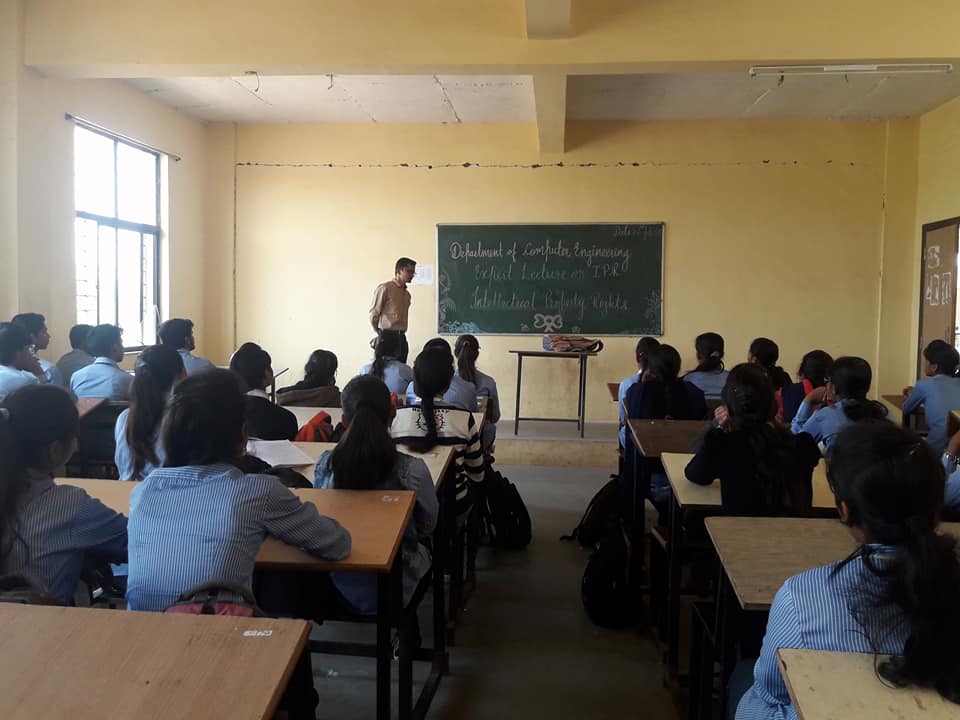
Educational institutions today are increasingly focusing on preparing students not only for academic success but also for the realities of industry and entrepreneurship. One such initiative was the “Campus to Corporate Campaign”, under which an interactive student session was conducted at Matoshri Polytechnic.
The programme brought together students from multiple technical disciplines including Mechanical Engineering, Electrical Engineering, Automobile Engineering, Computer Engineering, and Information Technology. The idea behind the interaction was to bridge the gap between classroom learning and the expectations of the professional and innovation-driven corporate environment.
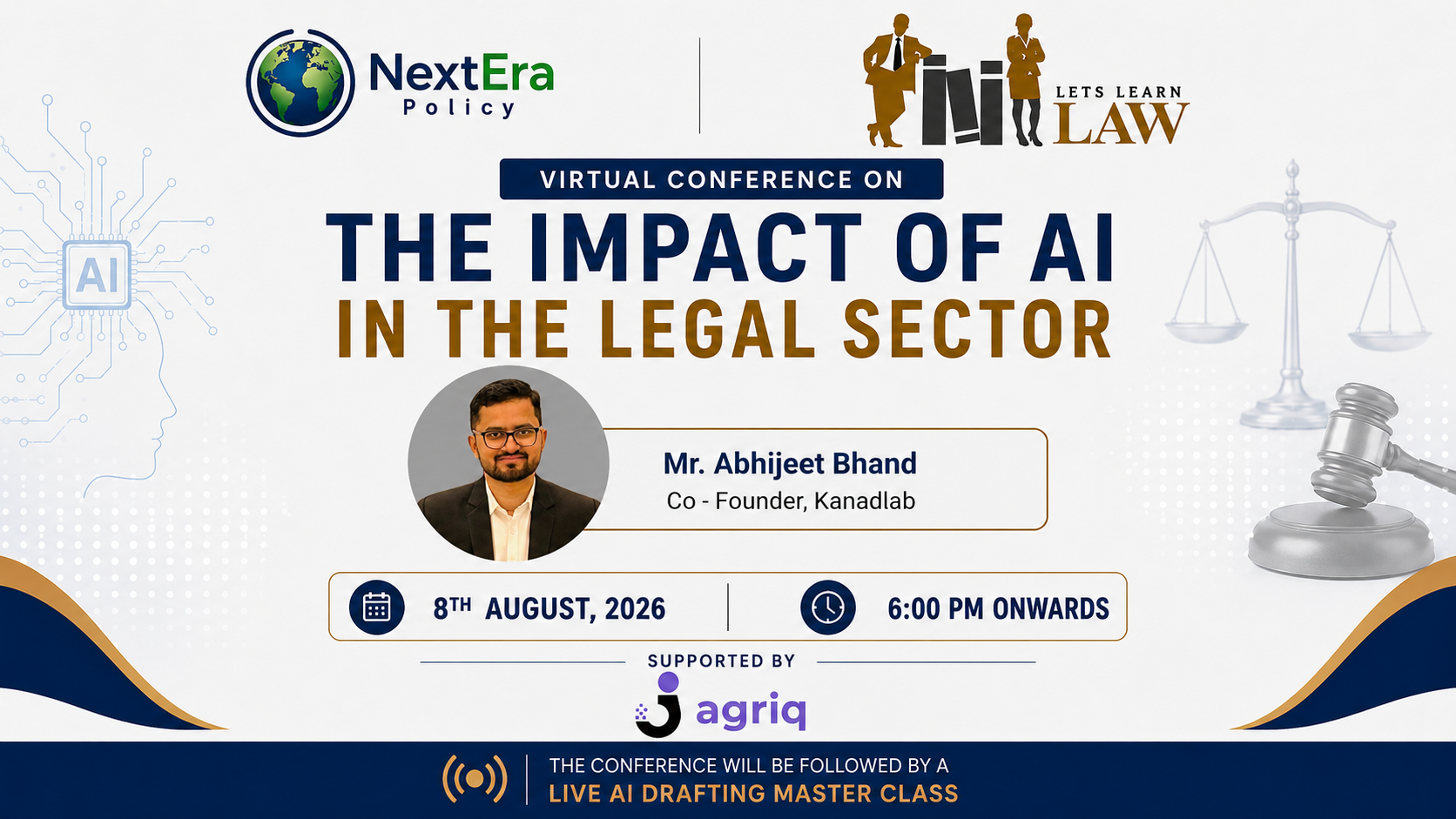
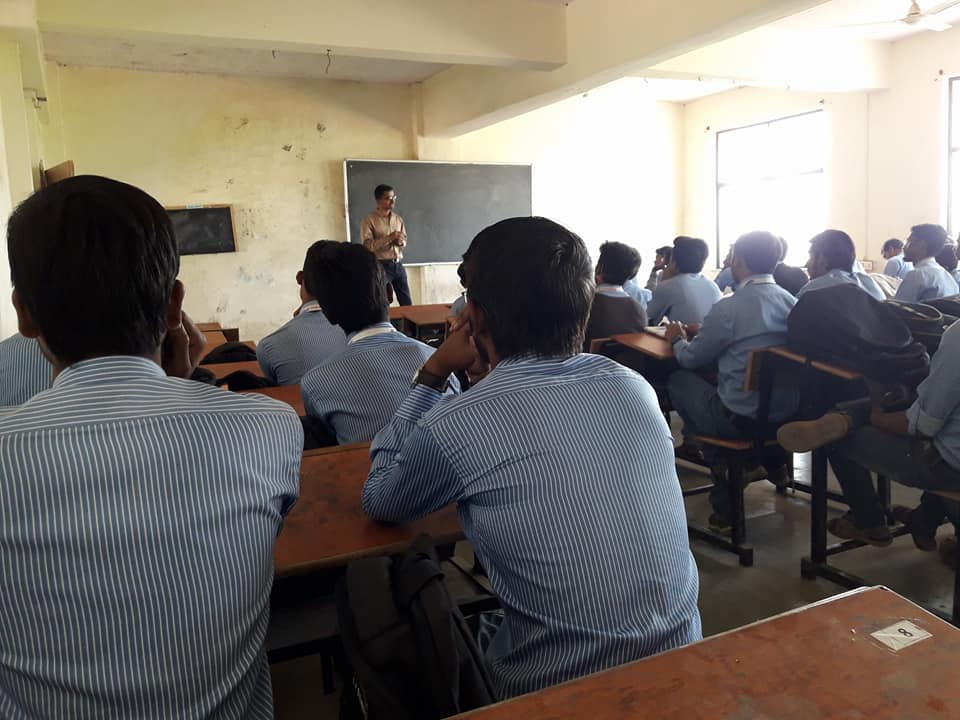
The session was conducted by Abhijit Bhand, Kanadlab Institute of Intellectual Property and Research. The interaction was designed to give students an exposure to how innovation, research thinking, and intellectual property awareness can influence professional careers across industries.
From Academic Knowledge to Industry Thinking
One of the central ideas discussed during the session was the transition that students must make as they move from campus life to professional environments. Engineering education equips students with technical knowledge, but industry demands something more. Companies expect problem-solving abilities, creativity, and the capacity to convert ideas into workable solutions.
Students were encouraged to think beyond examination-oriented learning and focus on developing an innovation mindset. Whether working in manufacturing, software development, electronics, or automotive engineering, professionals who understand how to improve systems and develop new solutions often become key contributors within organisations.
This shift in thinking, from learning technology to creating technology, formed the central theme of the interaction.
Innovation as a Career Skill
Another interesting aspect of the discussion revolved around innovation as a professional skill rather than a rare talent. Many students assume that innovation requires extraordinary breakthroughs. In reality, innovation often begins with small improvements.
An engineer who redesigns a component to reduce material cost, a software developer who optimises a program to run faster, or an automobile engineer who improves fuel efficiency is participating in innovation.
The session highlighted that such improvements, when documented and protected through intellectual property mechanisms, can eventually translate into valuable technological assets.
Students were encouraged to observe their surroundings more carefully and identify problems that could be solved through engineering thinking.
Intellectual Property in Modern Careers
The interaction also touched upon the role of intellectual property in modern professional environments. Today, companies operating in sectors such as manufacturing, electronics, software, automotive engineering, and telecommunications invest heavily in protecting their innovations.
For students entering these industries, awareness of intellectual property provides a significant advantage. Engineers who understand how innovations are documented, protected, and commercialised can contribute more effectively to research and development teams.
The discussion introduced students to the idea that intellectual property awareness is not limited to legal professionals. Engineers, designers, software developers, and researchers all play an important role in identifying and protecting innovations within their organisations.
Multi-Disciplinary Innovation
Since students from multiple technical departments attended the programme, the interaction also highlighted how innovation increasingly occurs at the intersection of different engineering disciplines.
For example, modern automobiles combine mechanical systems, electronic control units, embedded software, and communication technologies. Similarly, industrial automation systems integrate mechanical components with sensors, electronics, and software algorithms.
Students were encouraged to collaborate across disciplines and view innovation as a collaborative process rather than an isolated activity.
Such cross-disciplinary thinking is increasingly valued in corporate environments where complex technological systems require expertise from multiple domains.
Preparing Students for the Innovation Economy
The “Campus to Corporate Campaign” was designed to prepare students for the changing dynamics of the global economy. Modern industries are driven not only by production but also by knowledge, research, and technological advancement.
Engineers who understand how ideas evolve into protected innovations are better positioned to participate in this knowledge-driven economy. Awareness of intellectual property also opens career pathways in research institutions, technology startups, innovation management, and consulting.
The discussion encouraged students to explore opportunities beyond traditional employment roles and consider how their technical knowledge can contribute to new technologies and entrepreneurial ventures.
Looking Ahead to the Intellectual Property Awareness Camp
The enthusiastic participation of students during the session created an encouraging environment for further engagement. Many students expressed curiosity about patents, innovation processes, and how intellectual property protection works in practice.
This interaction also laid the foundation for a more detailed Intellectual Property Awareness Camp planned for final-year students at the institution. The upcoming two-day programme is expected to provide deeper insights into research, innovation strategy, and intellectual property protection.
The student interaction programme at Matoshri Polytechnic demonstrated how discussions on innovation and intellectual property can inspire technical students to think more broadly about their future roles as engineers and problem solvers. The exchange of ideas during the session reflected a growing awareness among young professionals that technological creativity and intellectual property awareness are becoming essential components of modern engineering careers.