A student interaction program focusing on innovation and intellectual property was conducted at Amrutvahini College of Engineering, where students from the Production Engineering discipline gathered to explore emerging opportunities in the field of intellectual property and technology-driven careers.
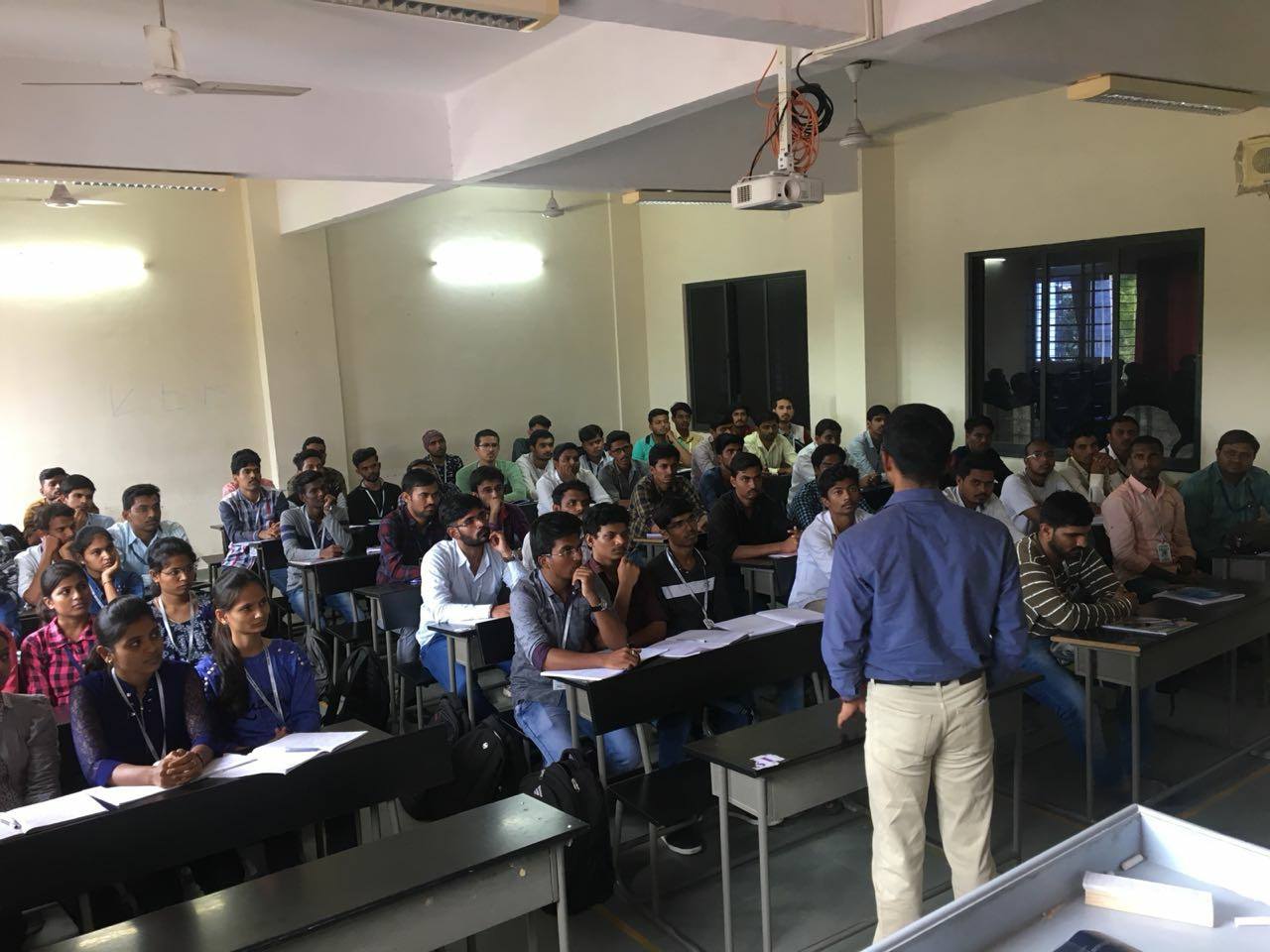
The session was addressed by Abhijit Bhand, who shared insights from his experience working in the intellectual property domain and discussed how engineers and technocrats can build rewarding careers in this growing field. The interaction revolved around the theme “Avenues for Intellectuals,” highlighting how technical professionals can contribute to innovation ecosystems beyond traditional engineering roles.
The program witnessed the presence of faculty members from the Production Engineering Department, including Dr. Bhaskar Borkar, Head of the Department, along with Professor Tajane, Professor Thokal, Professor Wakchaure, Professor Patil, Professor Pathade, and Professor Khemnar. Their participation added valuable academic perspective to the discussion and encouraged students to think more broadly about the relationship between engineering education and innovation-driven careers.
The interaction began with a discussion about how innovation is increasingly becoming the backbone of economic growth worldwide. According to data published by the World Intellectual Property Organization, more than three million patent applications are filed globally every year. What is particularly interesting is that a large percentage of these inventions originate from engineers and technologists who identify practical problems and design solutions to address them.
Students were surprised to learn that many modern companies derive the majority of their business value from intellectual assets rather than physical infrastructure. In some technology-driven industries, over 70 to 80 percent of company valuation is linked to patents, designs, software, algorithms, and brand identity. These figures highlight how innovation has become one of the most important economic drivers in the modern world.
The discussion then moved toward career opportunities in the intellectual property sector. Traditionally, engineering graduates often pursue roles in manufacturing, production, maintenance, or design. However, with the rapid growth of research-driven industries, new professional paths are opening up for engineers who understand both technology and intellectual property.
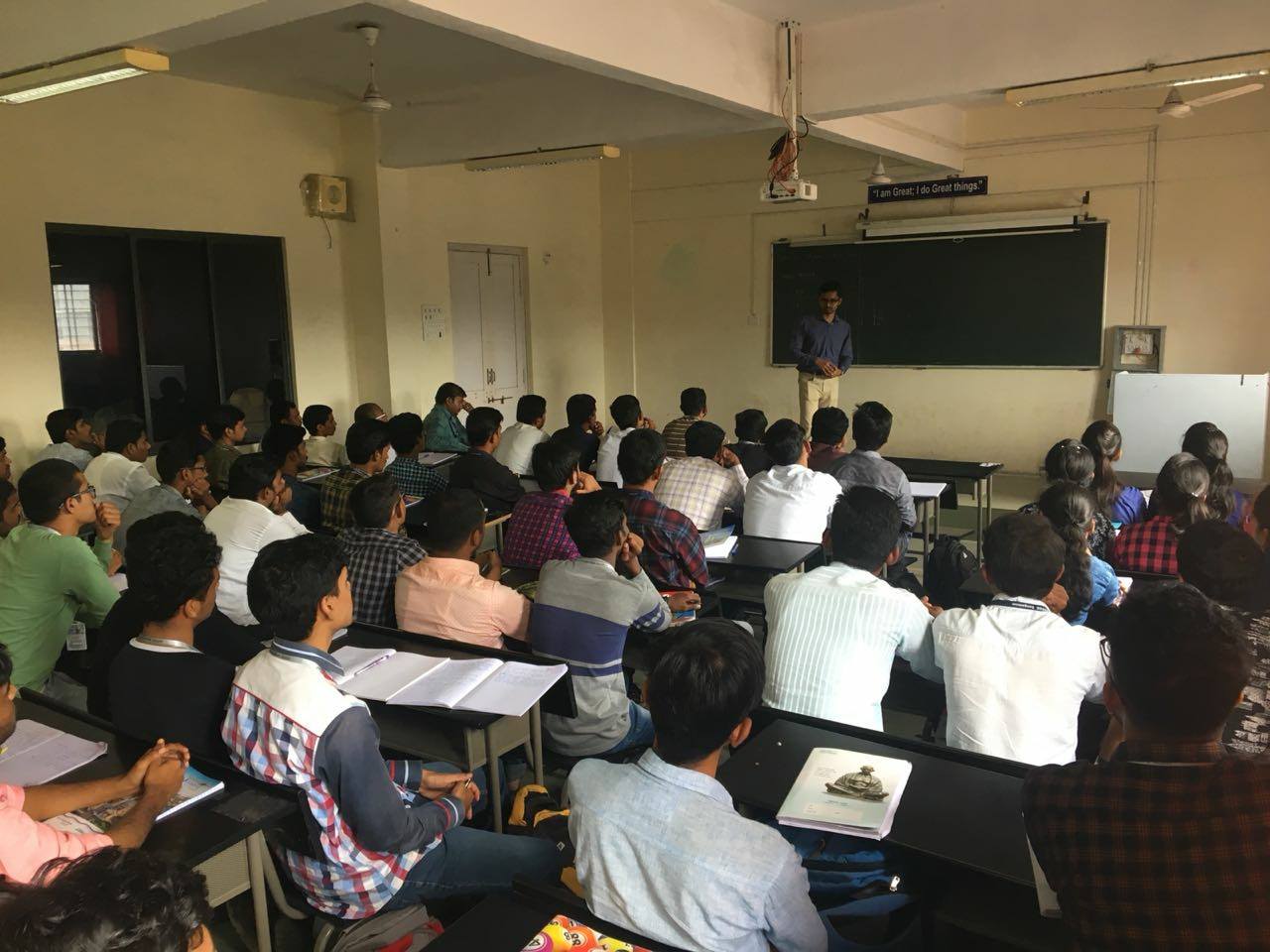
Engineers today are increasingly working as patent analysts, patent drafting specialists, technology consultants, prior-art search experts, innovation managers, and intellectual property strategists. Many research organisations and technology companies require professionals who can interpret technical inventions and assist in protecting them through patents and other forms of intellectual property.
This is where technocrats with strong engineering backgrounds often have a distinct advantage. Because they understand the technical aspects of inventions, they are able to analyse technologies more effectively and communicate complex innovations in a structured manner during patent documentation.
The session also included several real-world examples to help students understand how innovations emerging from engineering environments can create economic value. Improvements in machine components, manufacturing processes, industrial tools, and automation systems often originate from engineers working directly with equipment on the shop floor. When such improvements are protected through intellectual property rights, they can become valuable technological assets for companies.
Students were also informed about the growing innovation ecosystem in India. Government initiatives aimed at strengthening startups and research-driven enterprises have significantly increased awareness about intellectual property in the country. As more startups and industries focus on innovation, the demand for professionals who can manage and protect intellectual assets is steadily increasing.
Another interesting fact shared during the interaction was that thousands of patents filed globally every year relate to incremental improvements rather than entirely new inventions. Many innovations come from engineers who refine existing systems to make them faster, more efficient, or more economical. These improvements may appear small but can create major industrial advantages when properly protected.
Throughout the session, students showed strong curiosity about how they could explore careers within this field. Questions ranged from how engineers can become involved in patent-related work to what kind of skills are required to enter the intellectual property profession.
The interaction also included discussions about the ongoing work and future initiatives of Kanadlab Institute of Intellectual Property and Research. Students were interested in learning about research projects, innovation initiatives, and opportunities where they could engage with intellectual property activities during or after their academic studies.
The session turned into a lively exchange of ideas where students and faculty members explored the possibilities that emerge when engineering knowledge is combined with innovation awareness and intellectual property strategy.
The presence of faculty members from the Production Engineering Department reinforced the importance of integrating innovation thinking into engineering education. As the discussion concluded, it was evident that many students had begun to see intellectual property not merely as a legal concept but as a dynamic field offering meaningful career opportunities for technocrats who wish to contribute to the innovation economy.