A student interaction program was conducted for second-year students of the Production Engineering Department at Amrutvahini College of Engineering, where students gathered to explore the role of intellectual property in modern technology and industry. The session focused on introducing engineering students to the fundamentals of intellectual property rights, their practical relevance in India and abroad, and the emerging career opportunities available for technocrats in this domain.
The interaction was addressed by Abhijit Bhand, who engaged with the students in an open discussion about how intellectual property functions within research-driven industries and how engineers increasingly play an important role in identifying and protecting technological innovations.
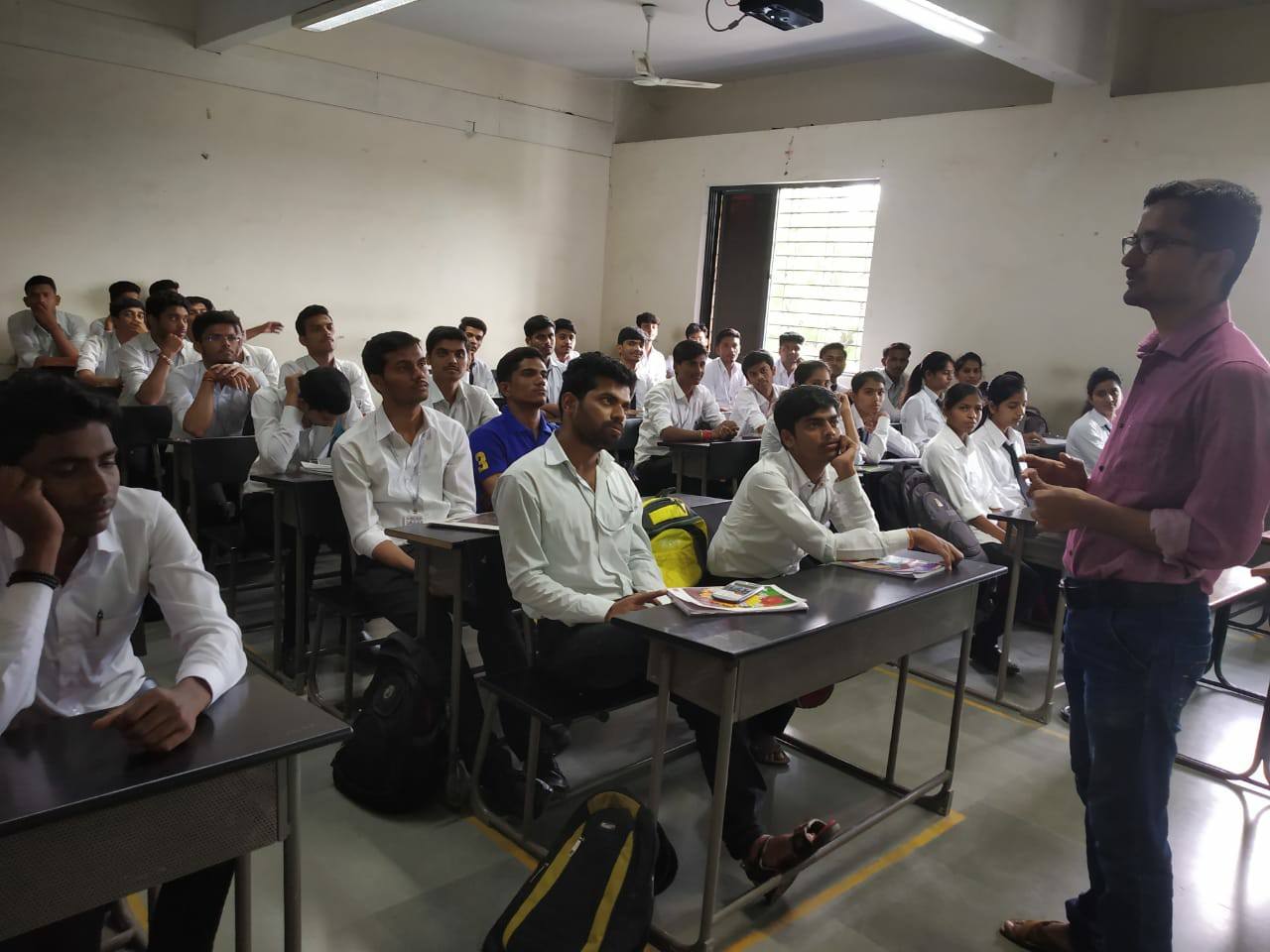
The session began with an overview of different forms of intellectual property including patents, trademarks, copyrights, and industrial designs. Students were introduced to how these rights operate within industrial ecosystems and how they influence the development of technology-based businesses across the world.
The conversation highlighted that innovation has become one of the most valuable economic drivers in modern economies. According to international innovation reports published by the World Intellectual Property Organization, millions of patent applications are filed globally each year as companies and researchers compete to develop new technologies. Much of this innovation originates from engineers who are directly involved in designing machines, developing processes, and improving existing systems.
Students from the production engineering discipline found the discussion particularly relevant because many innovations originate from improvements in manufacturing processes, machine components, and production techniques. Small engineering improvements made on the shop floor can sometimes evolve into patented technologies that significantly improve industrial efficiency.
The interaction also explored how intellectual property systems operate across different countries. While the legal frameworks vary slightly from one country to another, the underlying principle remains the same: innovators receive exclusive rights over their inventions for a limited period in exchange for publicly disclosing their technical knowledge. This system encourages continuous technological progress while ensuring that knowledge eventually becomes available for wider societal use.
Beyond legal concepts, the session also focused on the career opportunities available in the intellectual property sector for engineering students. Technocrats today are increasingly working in roles such as patent analysts, innovation consultants, technology transfer specialists, and intellectual property strategists. These roles require individuals who understand both the technical and commercial aspects of inventions.
Students were encouraged to think about how they could make productive use of their academic years to build unique career paths. Instead of focusing only on examinations and coursework, they were advised to develop curiosity about innovation, explore technical problems, participate in research projects, and cultivate analytical skills that are valuable in research and intellectual property-related careers.
The discussion gradually moved toward broader career planning. Many students shared their thoughts about future goals, including interests in higher studies, research, entrepreneurship, and industry positions. The interaction provided an opportunity to explore how intellectual property knowledge could complement these ambitions.
The session concluded with an enthusiastic response from students who expressed interest in continuing discussions on innovation and intellectual property topics. Following the program, many students connected with the Kanadlab Institute of Intellectual Property and Research online discussion platform, where ongoing conversations about research, intellectual property, and innovation activities continue among students and professionals.
Plans were also discussed for organizing a dedicated intellectual property awareness program in the near future for students from associated colleges. Such initiatives aim to expand awareness about innovation and intellectual property protection among engineering students and encourage them to explore opportunities within India’s rapidly evolving knowledge-driven economy.
The interaction at Amrutvahini College reflected a growing interest among young engineers in understanding how technological creativity can translate into meaningful careers and impactful innovations when supported by the right knowledge and mentorship.