History repeatedly demonstrates a simple truth: the most valuable companies in the world were not built merely on products, they were built on ideas that were successfully protected, commercialized, and scaled.
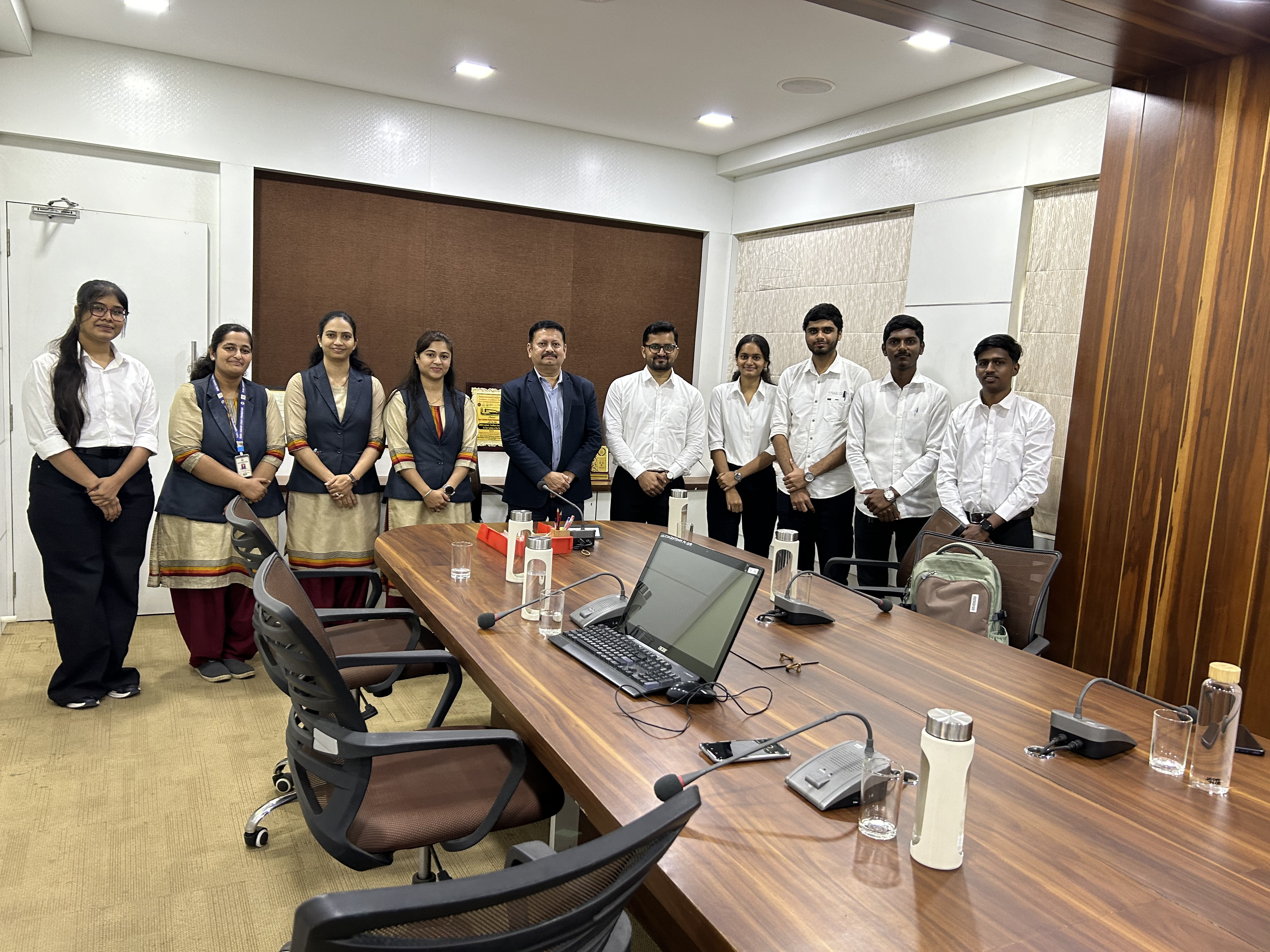
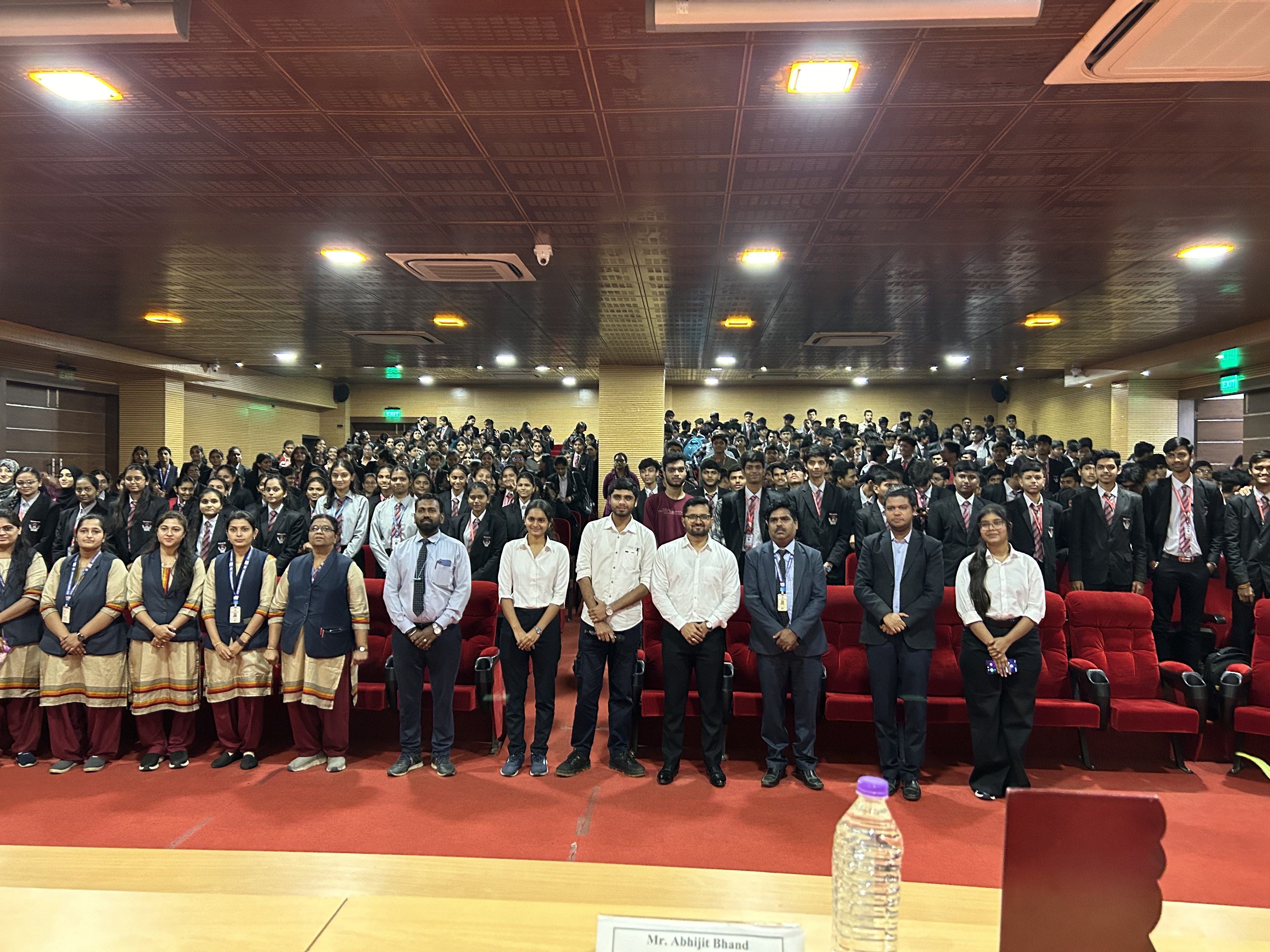
This formed the central theme of an expert session delivered by Abhijit Bhand, Intellectual Property Consultant and Registered Indian Patent Agent, during an interactive programme on "Startup Innovation & IPR" organized by the Electronics Innovation & Research Forum (EIRF) in collaboration with the Institution's Innovation Council (IIC) of Guru Gobind Singh Polytechnic College, Nashik. More than 350 students, aspiring entrepreneurs, and young innovators participated in the session, making it one of the largest intellectual property awareness programmes conducted at the institution.
India's innovation landscape has evolved dramatically over the last decade. The country now hosts the third-largest startup ecosystem globally, with over 1.6 lakh DPIIT-recognized startups, while Indian innovators collectively file tens of thousands of patent applications every year—a figure that has witnessed remarkable growth owing to increased participation from universities, startups, and individual inventors. Significantly, educational institutions are emerging as important contributors to this transformation through innovation cells, incubation centres, hackathons, and startup development programmes that encourage students to think beyond conventional employment and towards entrepreneurship.
Against this backdrop, the session challenged participants to rethink the way they perceive intellectual property. Rather than introducing patents and trademarks as legal formalities, Mr. Bhand demonstrated how intellectual property influences every stage of a startup's journey—from attracting investors and securing competitive advantage to enabling licensing, technology transfer, strategic partnerships, and international expansion.
Using practical startup case studies and examples from emerging technology sectors, the discussion explored a fundamental question frequently overlooked by first-time founders: What makes one innovation investable while another remains merely an idea? Participants examined how seemingly simple innovations often derive their commercial strength from carefully designed intellectual property strategies, while many technically impressive inventions fail to reach the market because they remain unprotected or are disclosed prematurely.
The session further examined the relationship between innovation and business value. Participants learned how patents protect technological inventions, trademarks establish brand identity, industrial designs enhance product differentiation, copyrights safeguard creative works, and trade secrets preserve confidential know-how. Equal emphasis was placed on identifying the right time to seek protection, avoiding common mistakes made by student innovators, and integrating intellectual property into startup planning from the earliest stages of product development.
One of the most engaging aspects of the programme was the discussion on investor expectations. Modern venture capital firms increasingly evaluate not only the technical feasibility of a product but also the defensibility of the underlying innovation. For technology-driven startups, intellectual property has become a key indicator of scalability, competitive positioning, and long-term enterprise value. Participants gained practical insights into how an effective IP strategy can significantly strengthen a startup's credibility during fundraising and commercialization.
The interactive question-and-answer session that followed reflected the participants' growing curiosity about entrepreneurship and innovation. Students raised thoughtful questions on patenting student projects, protecting software-based innovations, ownership of intellectual property developed during academic collaborations, startup funding, and commercializing research generated within educational institutions. The discussion reinforced the increasing maturity of India's student innovation ecosystem, where aspiring entrepreneurs are no longer asking whether they should innovate, but how they can build innovations capable of succeeding in competitive global markets.
The programme was successfully organized by the Electronics Innovation & Research Forum (EIRF) in collaboration with the Institution's Innovation Council (IIC) of Guru Gobind Singh Polytechnic College. The efforts of the organizing committee, faculty members, and student coordinators deserve special appreciation for creating a platform that connected academic learning with practical entrepreneurial insights. Such initiatives play a meaningful role in nurturing innovation culture at the grassroots level and preparing students to become future founders, inventors, and technology leaders.
As India's innovation economy continues to accelerate, creating awareness about intellectual property among young innovators is becoming increasingly important. Through expert lectures, startup mentoring, policy discussions, and professional training programmes delivered across universities, incubation centres, research institutions, and entrepreneurship forums, Abhijit Bhand continues to contribute towards building an ecosystem where innovative ideas are not only created—but also strategically protected, successfully commercialized, and transformed into sustainable enterprises capable of creating lasting economic and societal impact.